
Stainless Steel Grades for Snack Pellet Machines: Manufacturer Specs
- By Jinan MT Machinery
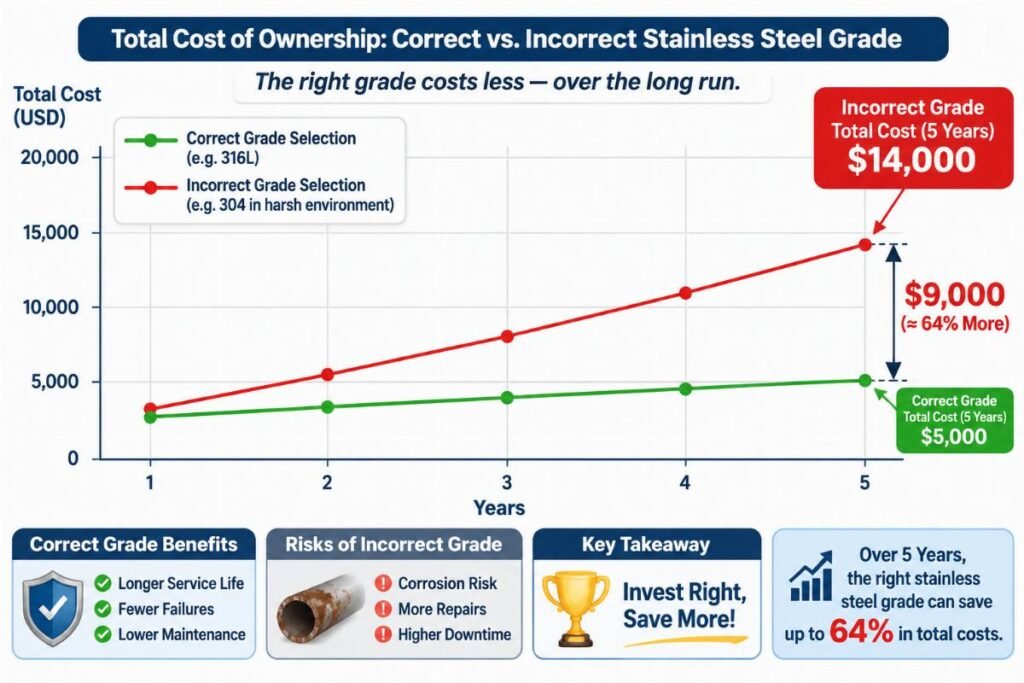
Choosing the wrong alloy for your extruder barrels and screws is the fastest way to turn a profitable snack line into a continuous maintenance nightmare.
For snack pellet machines, material selection must align strictly with ingredient corrosiveness and ambient conditions. While 201 stainless steel offers initial savings, it invites rapid corrosion and contamination in high-salt or acidic environments. Grade 304 is the optimal baseline for dry, non-corrosive snacks, whereas 316 stainless steel is mandatory for high-salt, high-acid, or high-temperature applications to prevent pitting and ensure food safety. Prioritizing lifecycle cost over initial CapEx is the only viable strategy for snack food manufacturers.
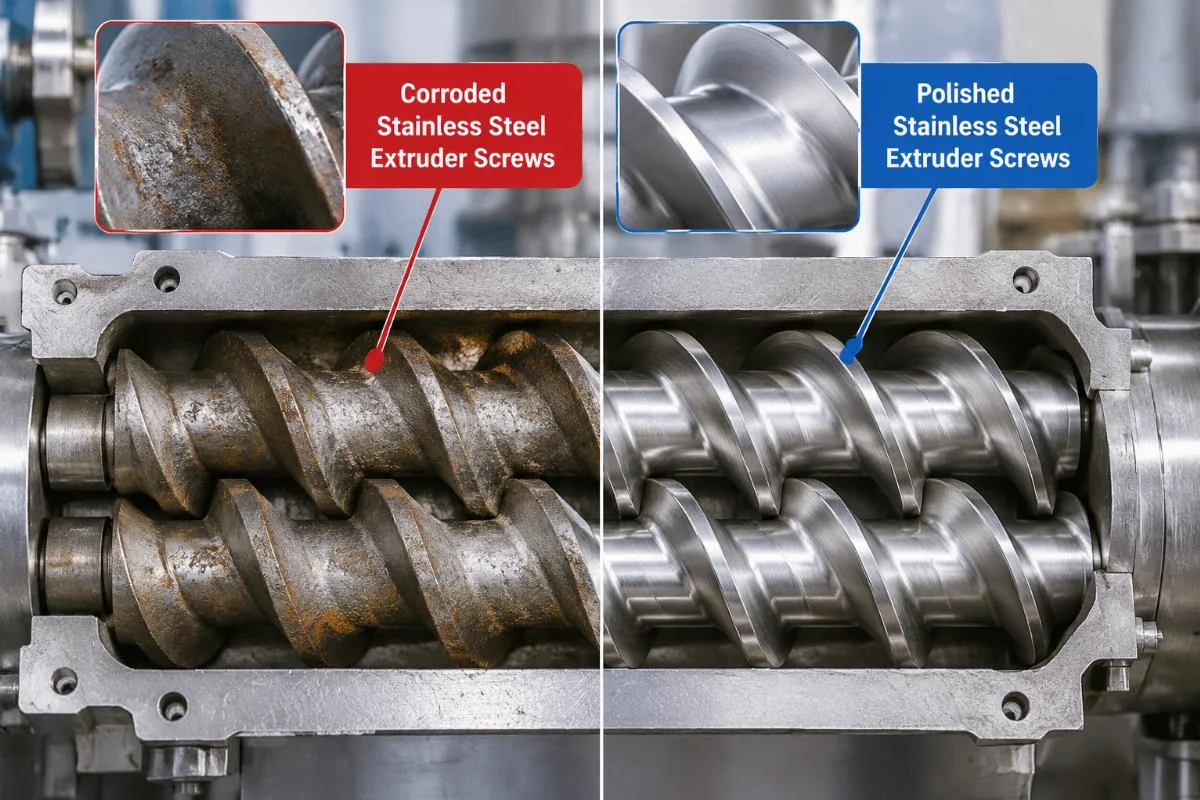
Setting up a production line in the Middle East always presents unique metallurgical challenges. I remember standing on a factory floor in Riyadh, watching a client who had just installed a new line for barbecue-flavored corn puffs. To cut initial equipment costs, they insisted on downgrading the contact parts—barrels and screws—from standard food-grade alloys to a cheaper alternative. The local ambient temperature was brutal, and the seasoning powder they applied was heavily loaded with salt and acidic flavorings. The result was predictable but devastating. Within a few months, the screws rusted solid and seized inside the barrels. The entire line went down, tons of raw material spoiled, and they had to emergency-airfreed premium alloy parts just to resume production. That failure wasn’t just about a broken machine; it was a fundamental misunderstanding of how chloride ions interact with metal surfaces under thermal stress. When you are evaluating stainless steel grades in snack pellet machines, you are not just buying metal; you are buying the chemical stability required to keep your product safe and your line running.
Why Do Stainless Steel Grades Matter in Snack Extruders?
The direct contact zones of a twin screw extruder—specifically the barrels, screws, and dies—operate under extreme mechanical shear and thermal stress. When you introduce corrosive ingredients like salt, citric acid, or tomato powder, the environment inside the barrel becomes highly aggressive. Material selection directly dictates food safety compliance, equipment lifespan, and long-term maintenance costs.
In the snack industry, surface pitting is the primary enemy. When microscopic pits form on the screw surface, they trap residual moisture and organic matter, creating a breeding ground for bacteria that violates basic food safety protocols. Furthermore, pitting accelerates wear, altering the screw profile and destroying the precise shear mechanics required for consistent puffing.
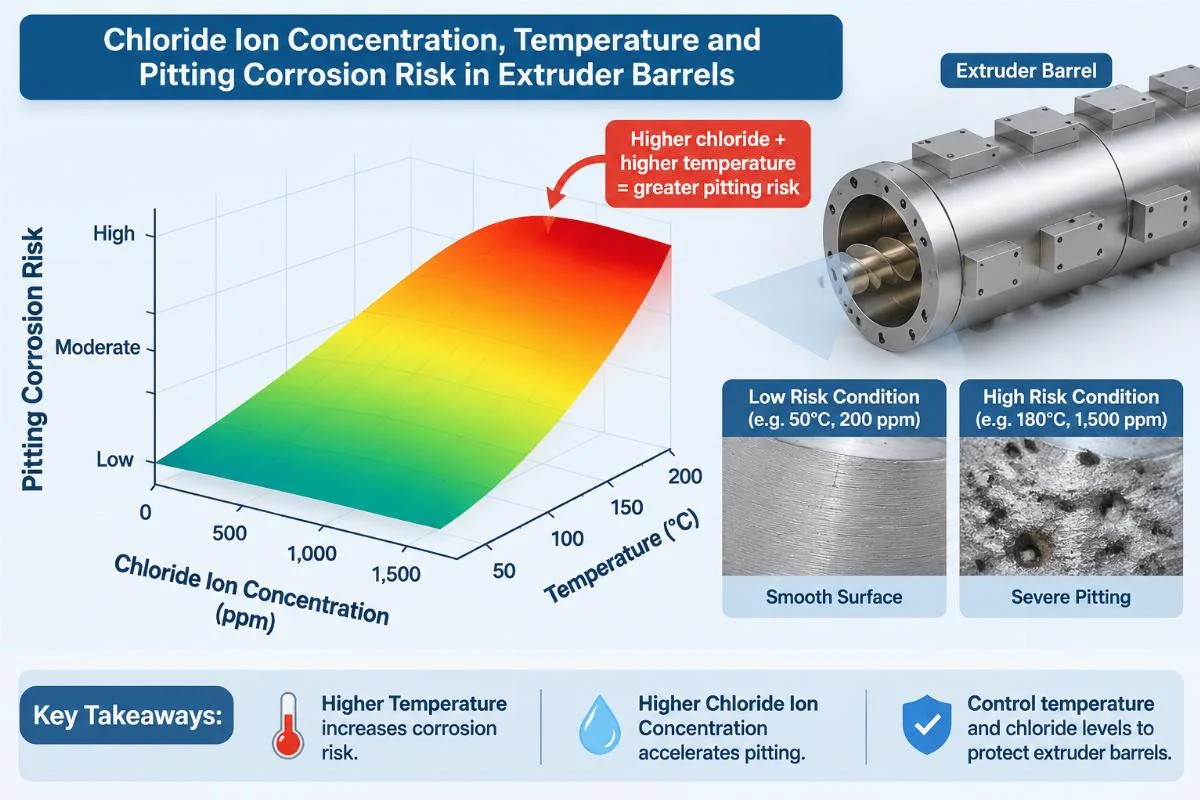
Another critical factor is ambient temperature. In regions with high ambient heat, the cooling efficiency of the barrel jackets drops, meaning the internal metal temperature runs higher for longer periods. Elevated temperatures exponentially accelerate the corrosion rate of lower-grade alloys. This is why a machine sitting in a climate-controlled facility in Northern Europe might survive a decade on a basic alloy, while the exact same configuration in a desert climate will fail prematurely if the material isn’t upgraded. Understanding the interaction between your specific snack formula and the operating environment is the first step in mastering stainless steel grades in snack pellet machines.
201 vs 304 vs 316: Which Grade Fits Your Snack Formula?
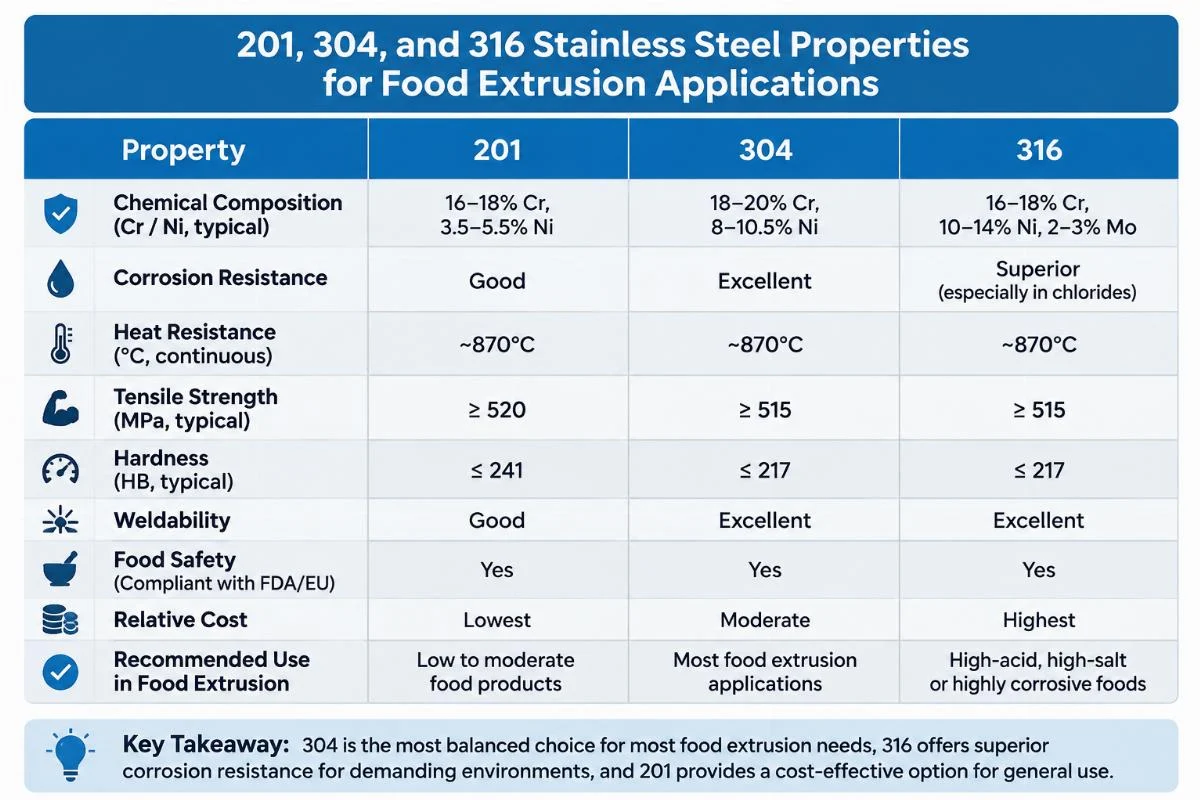
Selecting the right alloy is not about buying the most expensive option; it is about matching the metallurgy to the chemistry of your product. Many buyers mistakenly believe that premium alloys are universally required, while others try to save money by using marginal grades. Here is a specification comparison matrix to guide your twin screw extruder material selection.
| Grade | Corrosion Resistance | Cost Profile | Ideal Snack Applications | Risk Profile |
|---|---|---|---|---|
| 201 | Vulnerable | Basic | None recommended for food contact | High risk of black spot contamination and rapid pitting |
| 304 | Resistant | Standard | Dry corn puffs, plain cereals, basic pasta | Fails in high-salt or high-acid environments |
| 316 / 316L | Robust | Premium | Barbecue flavors, cheese powders, tomato-based, citrus snacks | Unnecessary CapEx for purely dry, non-corrosive products |
The 201 Trap: Most buyers think 201 saves money. In reality, the manganese and lower nickel content in 201 makes it highly susceptible to chloride attack. In a high-salt environment, it will pit rapidly, leading to black spot contamination in your final product. The cost of ruined batches and downtime will multiply your initial savings many times over.
The 304 Sweet Spot: For standard dry snacks like plain corn puffs or breakfast cereals, 304 is entirely sufficient. It provides excellent resistance to general oxidation and meets standard food safety requirements. Using 316 here is a waste of capital.
The 316 Necessity: When processing acidic ingredients (citric acid, tomato powder) or high-salt seasonings (barbecue, cheese), 316 stainless steel is mandatory. The addition of molybdenum fundamentally alters the crystal structure, providing robust resistance to chloride pitting. In high-salt and high-temperature environments, 316 extends the lifespan of core components substantially compared to standard grades.
At Meiteng, we apply this logic rigorously across our twin-screw extruder lines. Whether you are producing basic pet food or complex, highly seasoned human snacks, our commitment to using certified food-grade 304 and 316 stainless steel, built to 3-A sanitary standards, ensures that your material selection is never a compromise.
How to Verify the Stainless Steel Grade Before Purchase?
The global machinery market is flooded with suppliers claiming to use food-grade materials, only to substitute lower grades once the contract is signed. Buyers must demand material certificates and use on-site testing methods to avoid fake alloys. Relying solely on a supplier’s word is a critical procurement failure.
To ensure you are getting the food grade stainless steel snack extruder components you paid for, follow this verification protocol:
- Request Mill Certificates: Do not accept a generic “material guarantee” from the machine builder. Demand the original Mill Test Certificate (MTC) for the specific batch of steel used in your barrels and screws. The MTC must trace back to the primary steel mill and detail the exact chemical composition.
- Verify Chemical Composition: Check the MTC for the critical elements. For 304, verify Nickel content is consistently above the minimum threshold. For 316, confirm the presence of Molybdenum (typically 2-3%). If Molybdenum is absent or below trace levels, it is not 316.
- Demand Spectral Analysis Reports: Reputable manufacturers will provide a positive material identification (PMI) report generated by a handheld X-ray fluorescence (XRF) spectrometer. This test verifies the surface alloy composition without damaging the part.
- On-Site Spot Testing: If you lack a spectrometer, use a commercial stainless steel testing liquid. These chemical drops react differently to 200-series, 304, and 316 alloys, changing color within seconds to indicate the grade family.
When sourcing from established manufacturers like Meiteng, transparency is built into the process. We provide full traceability and spectral analysis documentation for all food-contact parts, ensuring that your stainless steel grades in snack pellet machines are verified before the machine ever leaves the factory floor.
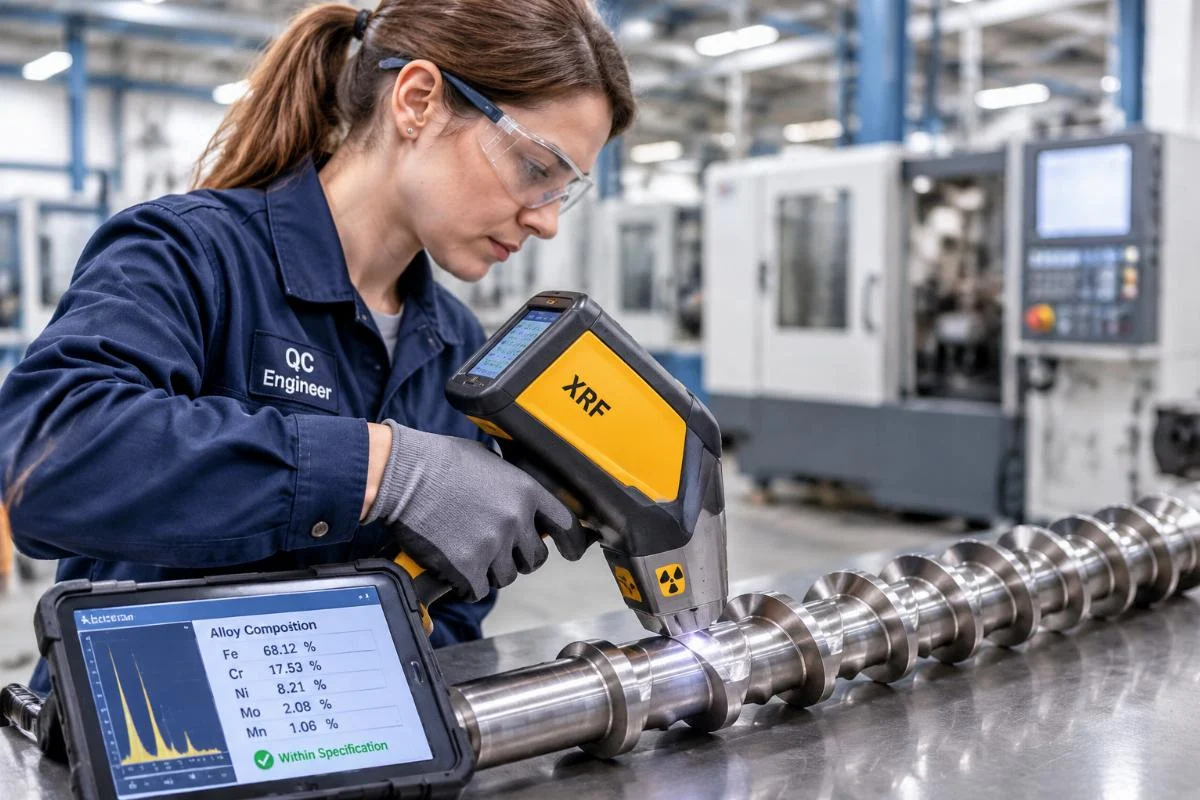
What Are the Hidden Costs of Choosing the Wrong Grade?
Procurement teams often focus entirely on the initial purchase price of the extruder, ignoring the total cost of ownership. Calculating the ROI of proper material selection against production downtime and batch waste reveals the true financial impact of alloy choices.
Consider the hidden costs of downgrading from 304 to 201, or from 316 to 304 in a corrosive application:
- Batch Contamination and Waste: When lower-grade screws begin to pit and corrode, they shed microscopic metal particles into the product. This results in black spots or off-flavors. An entire production run must be scrapped. The cost of the wasted raw materials, seasoning, and packaging far exceeds the initial savings on the machine.
- Unplanned Downtime: A seized screw or a barrel with severe pitting requires a complete line shutdown. Disassembling a twin-screw extruder, extracting a damaged screw, and waiting for replacement parts can halt production for days or weeks. The lost revenue from missed delivery deadlines and idle labor is catastrophic.
- Hygiene and Compliance Failures: Pitted surfaces harbor bacteria and old product residue. If a routine swab test fails due to poor surface finish caused by corrosion, the entire facility may face regulatory shutdowns or product recalls.
In the Riyadh case mentioned earlier, the client thought they were saving a fraction of the machine cost by downgrading the alloy. Instead, they faced a mid-six-figure loss in spoiled product, emergency airfreight costs for replacement parts, and weeks of zero revenue. Proper twin screw extruder material selection is an insurance policy against these operational disasters. Investing in the correct alloy upfront guarantees extended service life, consistent product quality, and uninterrupted production.

Conclusion
Material selection in snack extrusion is a chemical decision, not just a mechanical one. Matching the correct stainless steel grade to your specific ingredient profile and operating environment is the only way to ensure food safety, maximize equipment lifespan, and protect your profit margins from the hidden costs of downtime and waste. Whether you require standard 304 for dry cereals or premium 316 for aggressive, high-salt seasonings, prioritizing verified, food-grade alloys from the start is the foundation of a successful snack manufacturing operation.
Equipment Mentioned in This Article
 frying chips machine
Industrial Continuous Frying Production Line Stainless Steel Fryer
Industrial Continuous Frying Production Line for 2D/3D Snack Pellets and Chips — processes potato, cassava, wheat starch and corn. Fryer… View Machine Details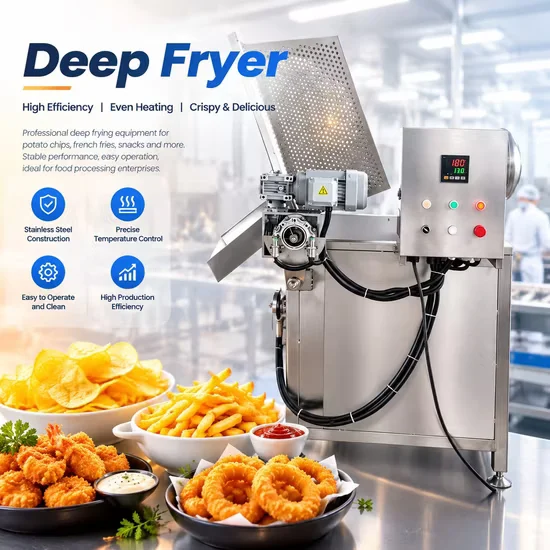 frying chips machine
Potato Snack Deep Fryer Commercial Stainless Steel Machine for Chicken
Potato Snack Deep Fryer for Uniform Frying — round basket design ensures even oil rotation for consistent texture and golden… View Machine Details frying chips machine
Industrial Food Deep Frying Machine Manufacturer Stainless Steel
Food Deep Frying Machine for Industrial Snack and Meat Processing — automatic continuous frying with precise temperature control for potato… View Machine Details 3D papad machine
3D Snack Pellet Production Line Fried Extruder Machine
3D Snack Pellet Production Line for Starch-Based Snacks — twin-screw extrusion processes potato, cassava, and corn starch into diverse shapes.… View Machine DetailsRelated Applications

Engineering Perspective
An In-House R&D Team Behind Every Line
Jinan MT Machinery develops its process technology in-house. The team concentrates on the four areas that decide pellet shape, expansion and line stability.
- Expansion technology
- Twin-screw extrusion
- Die design
- PLC/MCC automation
Related Articles
 Nov 7, 2026 · Buying Guide
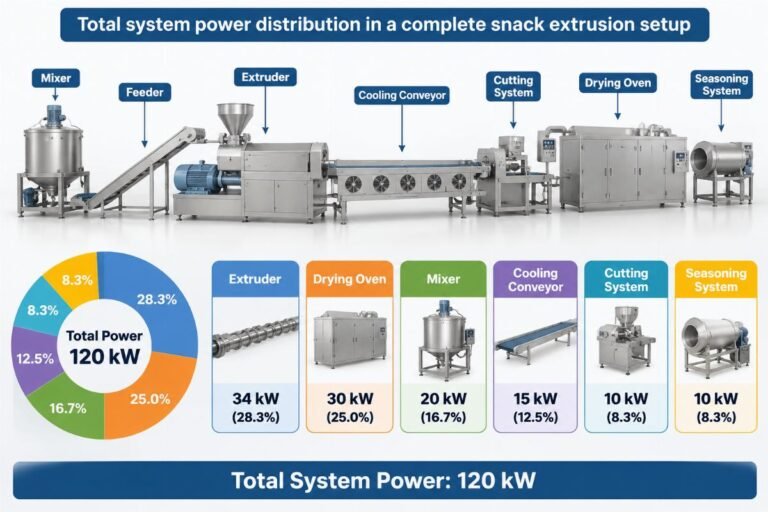
Energy Efficient Snack Pellet Extruder Line Manufacturer for Sale
Evaluating an energy efficiency snack pellet production line requires looking beyond single motor ratings to total system power and heat recovery to eliminate hidden… Read This Article Nov 7, 2026 · Buying Guide
De-Oiling Machine for Pellet Chips Fryer Line | Meiteng OEM Manufacturer
A properly matched de-oiling machine for pellet chips controls residual surface oil to extend shelf life and ensure seasoning adhesion without shattering fragile snacks.… Read This Article Nov 7, 2026 · Buying Guide
Twin-Screw Extruder for Snack Food: Wholesale Manufacturer
Selecting a twin-screw extruder for snack food requires matching machine specifications with local factory conditions and raw material intake rather than merely comparing price… Read This ArticleFree Process Check
Send Your Recipe for a Process Check
Jinan MT Machinery engineers review your recipe and return a free process plan within 24 hours. Tell us the product, output, raw material, local voltage and heat source.
Send Your Recipe on WhatsApp