
Octagonal Flavoring Drum for Fried Pellet Chips: Wholesale Manufacturer
- By Jinan MT Machinery
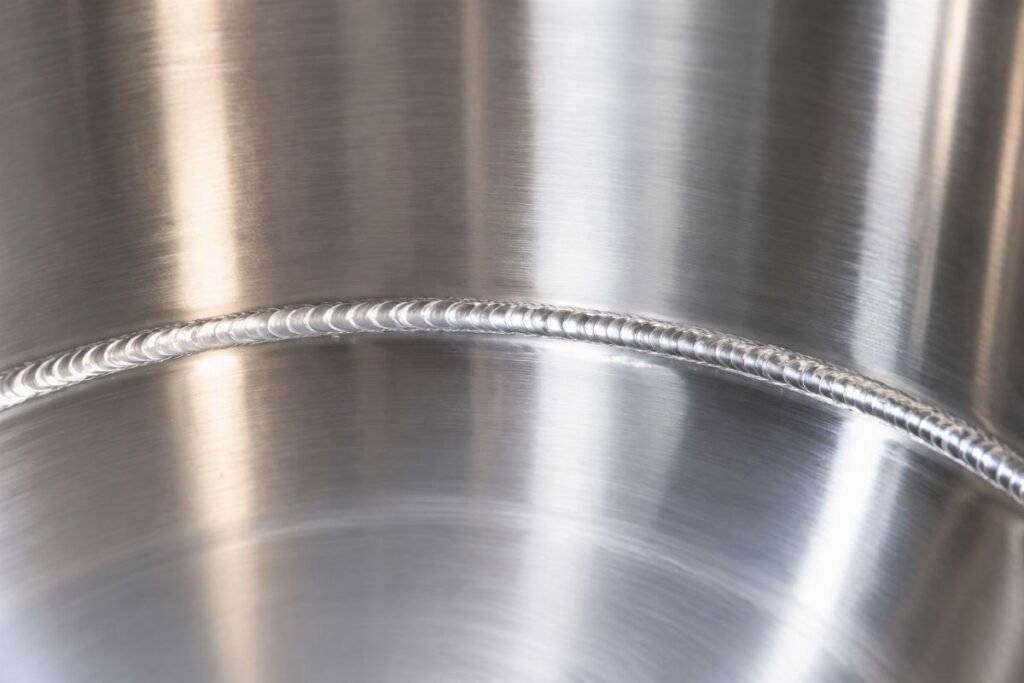
Most buyers obsess over motor horsepower, but the real culprit behind spoiled snack batches is often microscopic weld seams inside the drum.
The true value of an octagonal flavoring drum for fried pellet chips lies entirely in food-contact surface details and climate adaptability, not just paper specifications. A machine with perfect throughput on paper will still ruin your product if the internal polishing fails to prevent mold in high-humidity environments.
Early in my career handling export documents in Jinan, I thought my job was mostly about matching technical parameters with customs paperwork. That illusion shattered during an installation trip to Lagos, Nigeria. We were commissioning a fried pellet chip line, and I spent hours verifying the main extruder specs while completely ignoring the weld polishing inside the octagonal flavoring drum. Lagos is brutally hot and humid. Within weeks, the seasoning inside the drum clumped and grew mold because moisture got trapped in poorly polished internal seams. An entire batch of chips was scrapped. That mid-six-figure loss taught me a harsh lesson: in food machinery, the microscopic details of the food-contact surface and local climate matching are far more critical than any brochure spec.

If you are setting up a snack food line in challenging climates, understanding these hidden variables is the only way to protect your investment.
What Makes the Octagonal Drum Ideal for Pellet Chips?
The unique geometry of this equipment ensures comprehensive coating without destroying fragile extruded pellets.
When dealing with fried pellet chips, the physical integrity of the product is just as important as the flavor application. Traditional cylindrical drums often cause pellets to tumble endlessly in the same trajectory, leading to edge chipping and excessive dust generation. The octagonal shape fundamentally changes the tumbling dynamics. As the drum rotates, the flat sides lift the pellets and drop them in a cascading curtain, ensuring every piece is exposed to the seasoning spray or powder dusting evenly.
This 360-degree coating action is not just about aesthetics; it directly impacts the coating uniformity variance. A consistent flavor layer means every bite tastes the same, which is crucial for brand reputation. Furthermore, the gentle cascading motion minimizes mechanical stress on the delicate pellet structure.
During a project for a snack food startup in Latin America, they initially wanted a standard cylindrical coater to save costs. After running a comparative test, the octagonal flavoring drum for fried pellet chips reduced product breakage noticeably compared to their old cylindrical setup. The yield improvement alone justified the equipment upgrade, proving that geometry directly translates to profitability.

Critical Features Beyond Basic Specs
Food-grade 304/316L stainless steel and seamless internal welding are the actual barriers against bacterial growth.
There is a widespread misconception that thicker steel plates automatically mean a better machine. In reality, material grade and weld quality matter significantly more. The food-contact surfaces must be constructed from certified food-grade stainless steel to resist corrosion from acidic or salty seasonings.
However, the material is only half the battle. The welding process is where many manufacturers cut corners. If the internal welds are not ground and polished to a mirror finish, microscopic crevices become breeding grounds for bacteria and mold, especially when residual oils mix with humidity. This is where strict adherence to sanitary standards becomes non-negotiable.
When sourcing a snack food flavoring coating machine, you must verify the internal surface finish. A machine built to 3-A sanitary standards ensures that all internal welds are smooth, crevice-free, and easily cleanable. Meiteng integrates these strict sanitary welding protocols into their octagonal flavoring drum production. Combined with CE and ISO certifications, this ensures that the equipment meets rigorous international food safety requirements, protecting your consumers and your brand from contamination risks.

How to Use It for Maximum Efficiency
Proper RPM setting and powder dosing synchronization are the keys to maximizing adhesion rates.
Even the best-designed drum will underperform if operated incorrectly. The efficiency of the flavoring process relies heavily on the synchronization between the drum’s rotation speed and the seasoning dosing system.
Setting the correct RPM is critical. If the drum spins too slowly, the pellets will just slide along the bottom, resulting in patchy coating. If it spins too fast, centrifugal force will pin the pellets to the wall, eliminating the cascading action entirely. The optimal speed creates a continuous, gentle waterfall of product.
Simultaneously, the powder or liquid dosing must be perfectly timed with this cascade. The seasoning should be introduced precisely at the point where the pellets are in free fall, ensuring maximum surface exposure before they land back in the bed.
For startups running multi-flavor lines, this synchronization is even more vital. Quick changeovers require precise control to minimize residue and reduce cleaning cycle time. By fine-tuning these operational parameters, a facility can noticeably extend its service life meaningfully between deep cleans, maximizing daily output without compromising flavor quality.

Climate Adaptability for Global Installations
Moisture-proof sealing and easy CIP cleaning are vital for high-humidity regions.
Paper specs rarely tell you how a machine will perform in a coastal plant in West Africa or a humid facility in Southeast Asia. Climate adaptability is the hidden variable that determines long-term operational success.
In high-humidity environments, ambient moisture can easily infiltrate the drum during operation or downtime, turning hygroscopic seasoning powders into a solid, moldy block. The octagonal flavoring drum must feature robust moisture-proof sealing around the doors and rotational shafts. Furthermore, the design must facilitate easy Clean-In-Place (CIP) or manual cleaning without requiring complex disassembly.
I have seen lines in coastal regions shut down for days just to scrape hardened, moldy seasoning out of poorly sealed drums. A well-engineered drum includes specialized sealing solutions and smooth internal geometries that prevent powder accumulation in dead zones. Meiteng’s turnkey flavoring system integration specifically addresses these regional challenges. By designing the octagonal flavoring drum with enhanced sealing and CIP compatibility, we ensure that startups in challenging climates can maintain hygiene standards and production continuity, regardless of the local weather.

Conclusion
Success in snack extrusion relies on hidden mechanical details, not just headline capacity numbers.
The octagonal flavoring drum for fried pellet chips delivers its true value through precise geometry, sanitary weld polishing, and climate-resilient sealing. Prioritizing these food-contact and environmental factors ensures consistent product quality and operational longevity in any global market.
Equipment Mentioned in This Article
 3D papad machine
3D Snack Pellet Production Line Fried Extruder Machine
3D Snack Pellet Production Line for Starch-Based Snacks — twin-screw extrusion processes potato, cassava, and corn starch into diverse shapes.… View Machine Details 3D papad machine
Fully Automatic 3D Snack Pellets Extruder Making Machine for Chips
Chips 3D Snack Pellet Extruder Line for 2D/3D Shapes — co-rotating twin-screw extrusion processes potato and cassava starches into papad,… View Machine Details frying chips machine
Industrial Deep Fryer Machine Manufacturer Banana Potato Chips French Fries
Industrial Deep Fryer Machine for banana and potato chips features automatic basket lifting and oil filtration. The electric heating system… View Machine Details frying chips machine
100-2000L Tank Deep Fryer Commercial Chips Frying Machine
100-2000L Tank Deep Fryer for Snack Pellets and Chips — handles continuous deep frying and de-oiling for potato, cassava, and… View Machine DetailsRelated Applications

Engineering Perspective
An In-House R&D Team Behind Every Line
Jinan MT Machinery develops its process technology in-house. The team concentrates on the four areas that decide pellet shape, expansion and line stability.
- Expansion technology
- Twin-screw extrusion
- Die design
- PLC/MCC automation
Related Articles
 Nov 16, 2026 · Product & Series Guides
DS Line Rotary Cutter for 2D Snack Pellets Manufacturer
Optimizing Rotary Cutter Options for 2D Snack Pellets eliminates edge burrs and reduces scrap rates by synchronizing cutter speed with extruder screw speed. Selecting… Read This Article Nov 16, 2026 · Product & Series Guides
2D Pellet Die Set for Wheels, Squares, Shells & Tubes Wholesale Supplier
Selecting the right 2D pellet die set requires matching specific shapes with the correct compression ratio to prevent screw jamming and transit corrosion. Discover… Read This Article Nov 16, 2026 · Product & Series Guides
DS85 vs DS95 Pellet Chips Extruder Manufacturer for Sale
Choosing the right DS85 vs DS95 extruder prevents barrel blockage when processing high-meat pellet chip formulas. The DS85 delivers energy efficiency for standard recipes,… Read This ArticleFree Process Check
Send Your Recipe for a Process Check
Jinan MT Machinery engineers review your recipe and return a free process plan within 24 hours. Tell us the product, output, raw material, local voltage and heat source.
Send Your Recipe on WhatsApp