
Snack Pellet Production Line Automation: Meiteng Extruder Manufacturer
- By Jinan MT Machinery
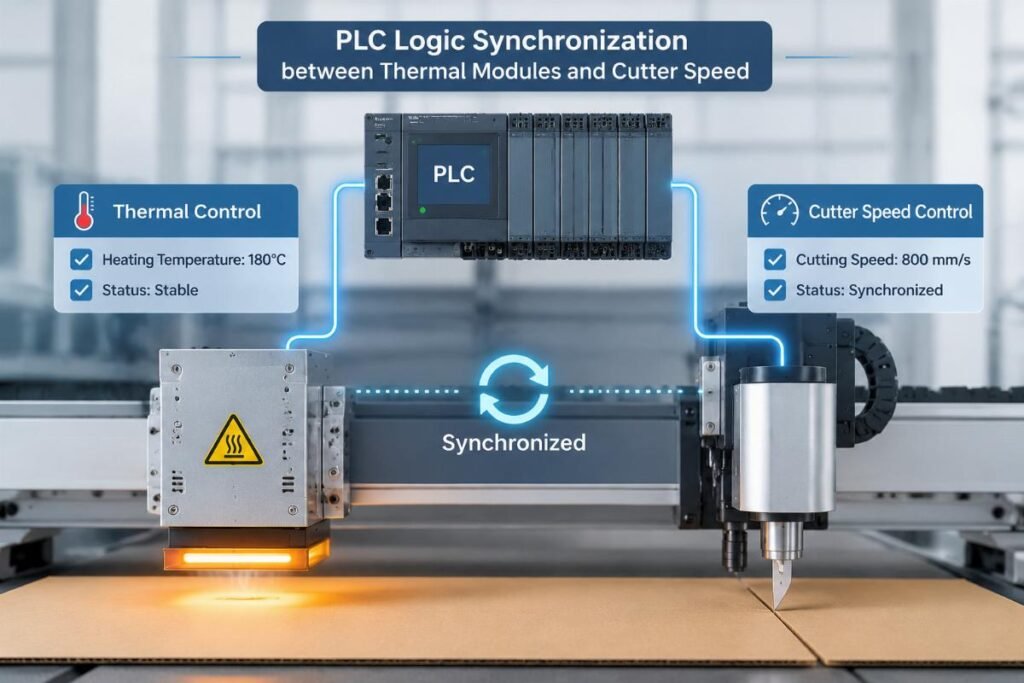
Buying the most expensive fully automated system does not guarantee zero waste; mismatched PLC-cutter logic often causes total scrap.
The ideal snack pellet production line automation level depends entirely on matching PLC logic with screw speed and cutter synchronization, rather than simply maximizing the number of sensors. When I first started managing export orders for extrusion machinery in Jinan, I sent a corn puff snack line to an Indonesian client. The line featured advanced automated temperature modules, but the thermal control logic was not calibrated to sync with the cutter speed. During the on-site trial, the半成品 (semi-finished products) expanded unevenly and turned into total scrap, forcing the entire line to shut down for days. That failure made me obsess over the exact matching between twin-screw extruder PLC control and mechanical execution. True automation is not about touchscreens; it is about the millisecond-level synchronization of thermal modules, screw RPM, and cutting mechanisms.
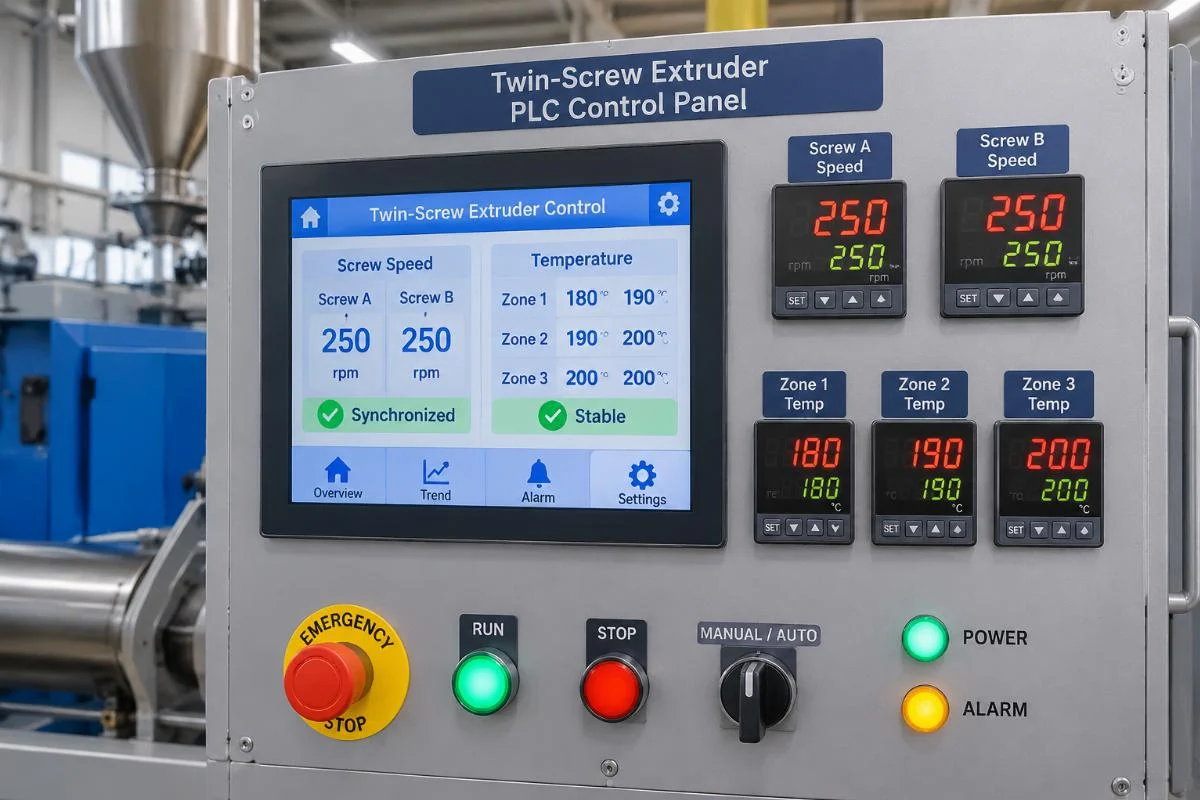
Selecting the right snack pellet production line automation level requires looking past the marketing brochures and understanding how parameter matching impacts your actual yield and ROI.
What Defines “Automation” in a Snack Line?
Automation in an automated snack food extrusion line is defined by PLC-screw-cutter sync, not just the presence of digital touchscreens. Many startup owners assume that adding more digital displays equals higher automation. In reality, a line is only as automated as its slowest reactive component. If the snack puffing machine temperature control relies on a basic thermostat while the cutter runs on a fixed timer, you do not have an automated line; you have a manually monitored mechanical setup.
True automation means the PLC response time is perfectly ratioed to the screw RPM. When the dough viscosity changes due to minor moisture fluctuations in the raw material, the thermal module PID tuning parameters must instantly adjust the barrel heating zones, while the cutter speed simultaneously adapts to the altered extrusion pressure. If these three elements—thermal, mechanical, and cutting—do not communicate through a centralized PLC, the result is either burnt product or unexpanded dense pellets.
Semi-Auto vs. Full-Auto: Which Fits Your Capacity?
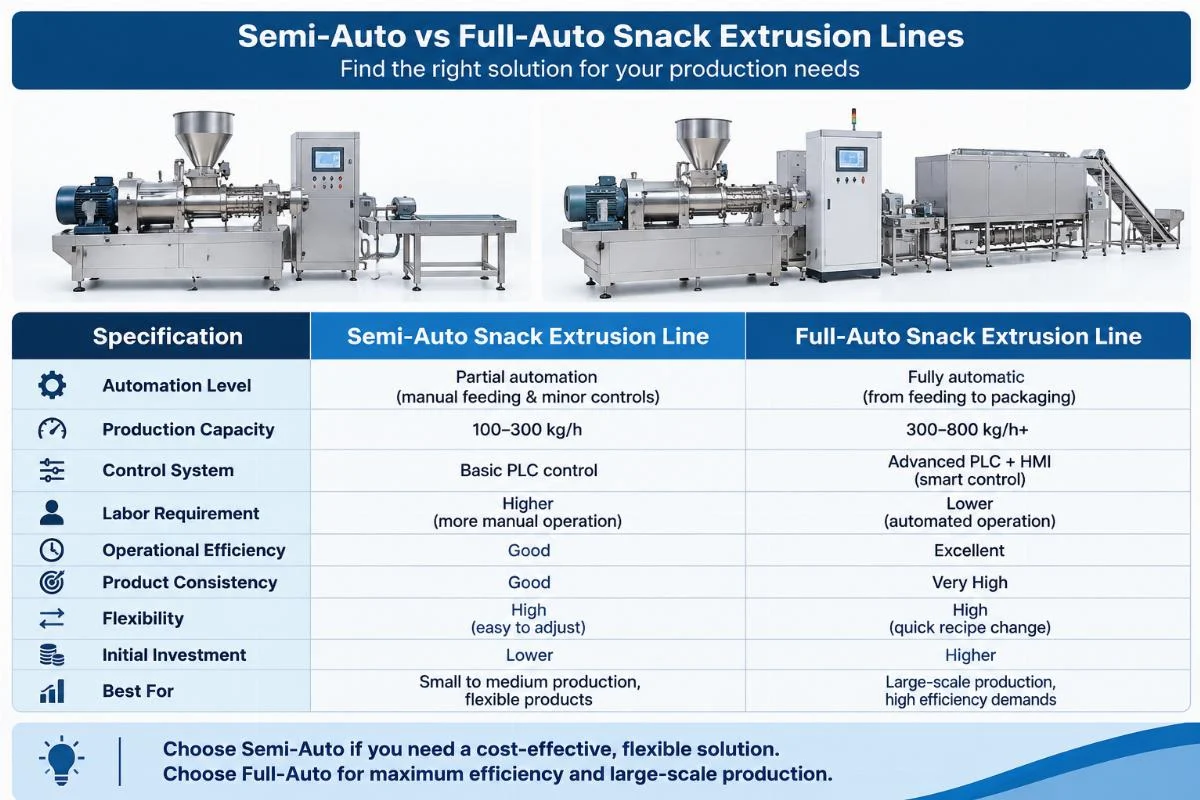
Matching your snack pellet production line automation level to your output tier prevents both over-capitalization and severe yield drops. Below is a specification comparison matrix to help you evaluate which automation tier aligns with your production goals.
| Automation Tier | Target Capacity | Core Control Logic | Temp-Cutter Sync | Yield & Waste Profile |
|---|---|---|---|---|
| Semi-Auto | Entry-level / Startup | Manual temp adjustment, fixed cutter speed | Uncontrolled | Noticeable yield drop; high manual intervention |
| Scaling Auto | Medium capacity | Auto temp-cutter sync via basic PLC | Standard | Substantial waste reduction; stable output |
| Full-Auto | High-capacity | Full PLC integration with real-time PID tuning | Fully Synchronized | Dramatic downtime reduction; minimal scrap |
A startup line operating with manual temperature adjustments often suffers a noticeable yield drop because operators cannot react fast enough to pressure spikes. Conversely, a scaling line with auto temp-cutter sync achieves substantial waste reduction by letting the PLC handle the baseline variations. However, a common counter-intuitive trap is assuming higher automation automatically means higher output. In reality, an uncalibrated auto-feed system on a poorly programmed full-auto line will simply starve the extruder, causing the twin-screw extruder PLC control to register false low-pressure errors and halt production.
How Does PLC Logic Prevent Waste?
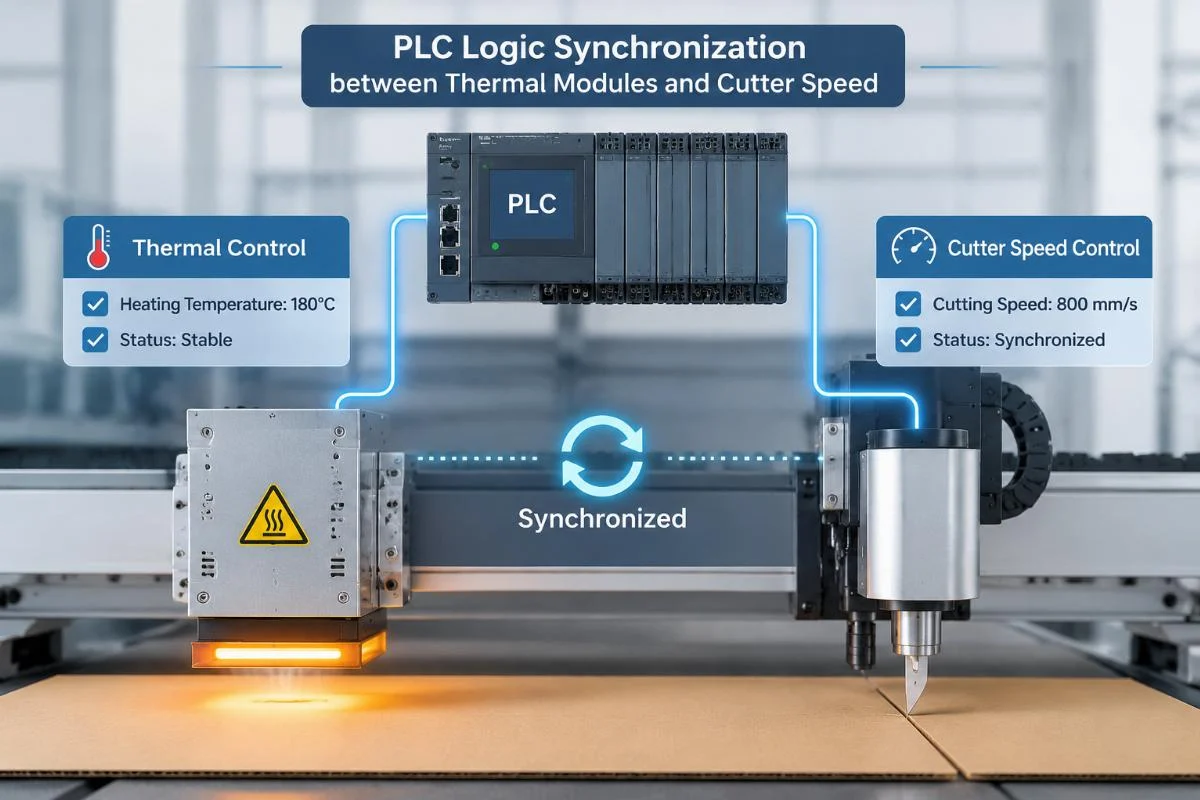
Syncing thermal modules with cutter speed is the primary mechanism that saves material in an automated snack food extrusion line. Waste in snack pellet production rarely comes from the raw ingredients themselves; it comes from the transition phases—startup, shutdown, and recipe changeovers.
When a line lacks proper PLC logic, operators must manually purge tons of off-spec product until the temperature stabilizes and the cutter catches up to the extrusion rate. With a properly tuned twin-screw extruder PLC control, the system anticipates viscosity changes. The PLC adjusts the snack puffing machine temperature control zones milliseconds before the material reaches the die, while simultaneously ramping up the cutter servo motor. This synchronization ensures that the transition from startup to steady-state produces saleable pellets much faster.
I once worked with a Middle East snack manufacturer who upgraded to a fully integrated PLC system but kept their old, uncalibrated auto-feed augers. The result was catastrophic. The PLC demanded a specific feed rate, but the mechanical auger could not deliver it consistently, causing the extruder to run empty. The mismatched PLC-cutter logic then triggered emergency stops, creating total scrap rather than preventing it. This proves that full automation guarantees zero waste only when the mechanical peripherals are perfectly matched to the PLC logic.
What ROI Can You Expect from Upgrading?
The payback period for upgrading your snack pellet production line automation level scales directly with waste reduction and labor savings, not just speed. Startup owners often focus solely on the capital expenditure of the machinery, ignoring the operational bleed caused by poor automation.
A semi-auto line requires constant operator presence to tweak the snack puffing machine temperature control, leading to higher labor costs and fatigue-induced errors. Moving to a scaling auto line with temp-cutter sync reduces the required floor staff and substantially cuts down on off-spec waste. For high-capacity producers, full PLC integration offers a dramatic downtime reduction because the system can self-diagnose and auto-correct minor deviations before they trigger a hard fault.
However, the ROI is entirely dependent on the commissioning quality. If the PID parameters are not tuned to your specific raw material formulation, the expensive sensors will just feed garbage data to the PLC. This is why turnkey solutions that include on-site commissioning are critical. At Meiteng, we do not just ship a twin-screw extruder; we customize the PLC logic to match your exact recipe and screw configuration, ensuring that the automated snack food extrusion line performs exactly as the engineering specs promise from day one.

Conclusion
The right snack pellet production line automation level is defined by parameter synchronization, not just hardware complexity. Matching PLC logic with screw speed and cutter synchronization prevents the total scrap that plagues mismatched systems. Whether you are running a startup line or a high-capacity facility, ensuring your thermal modules and feed systems are perfectly calibrated to the PLC is the only way to secure a real return on your investment.
Equipment Mentioned in This Article
 3D papad machine
3D Snack Pellet Production Line Fried Extruder Machine
3D Snack Pellet Production Line for Starch-Based Snacks — twin-screw extrusion processes potato, cassava, and corn starch into diverse shapes.… View Machine Details 3D papad machine
2D 3D Snack Pellet Production Line Manufacturer
2D 3D Snack Pellet Production Line for Diverse Shapes from Starches — twin-screw extrusion handles wheat, corn, and cassava. The… View Machine Details 3D papad machine
Automatic 3D Pellet Extruded Corn Puffed Snack Food Production Line
3D Pellet Extruded Snack Food Production Line for Starch Pellets — processes potato, corn, and cassava starch into papad and… View Machine Details 3D papad machine
Fully Automatic 3D Snack Pellets Extruder Making Machine for Chips
Chips 3D Snack Pellet Extruder Line for 2D/3D Shapes — co-rotating twin-screw extrusion processes potato and cassava starches into papad,… View Machine DetailsRelated Applications

Engineering Perspective
An In-House R&D Team Behind Every Line
Jinan MT Machinery develops its process technology in-house. The team concentrates on the four areas that decide pellet shape, expansion and line stability.
- Expansion technology
- Twin-screw extrusion
- Die design
- PLC/MCC automation
Related Articles
 Nov 7, 2026 · Buying Guide
Energy Efficient Snack Pellet Extruder Line Manufacturer for Sale
Evaluating an energy efficiency snack pellet production line requires looking beyond single motor ratings to total system power and heat recovery to eliminate hidden… Read This Article Nov 7, 2026 · Buying Guide
De-Oiling Machine for Pellet Chips Fryer Line | Meiteng OEM Manufacturer
A properly matched de-oiling machine for pellet chips controls residual surface oil to extend shelf life and ensure seasoning adhesion without shattering fragile snacks.… Read This Article Nov 7, 2026 · Buying Guide
Twin-Screw Extruder for Snack Food: Wholesale Manufacturer
Selecting a twin-screw extruder for snack food requires matching machine specifications with local factory conditions and raw material intake rather than merely comparing price… Read This ArticleFree Process Check
Send Your Recipe for a Process Check
Jinan MT Machinery engineers review your recipe and return a free process plan within 24 hours. Tell us the product, output, raw material, local voltage and heat source.
Send Your Recipe on WhatsApp