
Used vs New Snack Pellet Line: Risks, Savings & Spare Parts from Manufacturer
- By Jinan MT Machinery

A pristine exterior on a second-hand extruder often hides severe internal degradation that will bankrupt your operating budget.
While a used snack pellet line appears to offer immediate capital relief, the reality of hidden mechanical wear, incompatible modular components, and unpredictable downtime means that investing in a new snack pellet line guarantees food-grade compliance, standardized spare parts availability, and a vastly superior long-term return on investment.
I began my career inspecting twin-screw extruders on the assembly line in Jinan before transferring to our Jakarta representative office. A few years ago, a snack startup in Surabaya decided to cut initial capital expenses by purchasing a third-party second-hand line. When I visited their facility to evaluate the setup, the barrel exterior looked perfectly acceptable. However, once we extracted the screw elements, the wear was catastrophic, and the modular design was entirely obsolete. They were forced to halt production for weeks while waiting for custom-machined replacements. The rusted dies and the sheer frustration of the operators made it glaringly obvious that buying used extrusion machinery is a massive gamble. When buyers now ask me to compare a used vs new snack pellet line, I walk them through the invisible costs of incompatible spare parts and unexpected downtime.

Understanding the true financial and operational implications requires looking past the initial purchase price and examining the mechanical realities of food extrusion.
What Are the Hidden Risks of Buying a Used Snack Pellet Line?
Internal wear and rusted dies in second-hand equipment lead to unpredictable mechanical failures and severe food safety violations.
When evaluating a used vs new snack pellet line, the most dangerous trap is assuming that a cleaned exterior equates to good mechanical health. The internal screw elements and die plates endure immense friction and thermal stress. In second-hand machines, the modular screw elements often suffer from severe wear that is completely invisible until a full teardown is performed. This wear drastically reduces the compression ratio, leading to inconsistent puffing, poor texture, and unacceptable product rejection rates. Furthermore, older dies frequently harbor microscopic rust and carbon buildup that cannot be fully sanitized, posing a direct threat to food safety compliance.
A Southeast Asian snack startup recently experienced this exact scenario. They acquired a second-hand line that seemed like a bargain. Within months, the severe screw wear caused continuous production halts. The downtime duration completely erased any initial capital savings they thought they had achieved. The majority of their operational budget was suddenly diverted to emergency maintenance and lost revenue.
| Risk Factor | Used Equipment Condition | New Equipment Condition |
|---|---|---|
| Internal Screw Wear | Severe, unquantifiable degradation | Zero wear, factory-calibrated |
| Die Plate Hygiene | Vulnerable to micro-rust and carbon traps | Robust, certified food-grade surface |
| Thermal Consistency | Uncontrolled due to worn clearances | Standard, precise thermal profiling |
| Food Safety Compliance | Self-reported, highly vulnerable | Verifiable, certified material traceability |
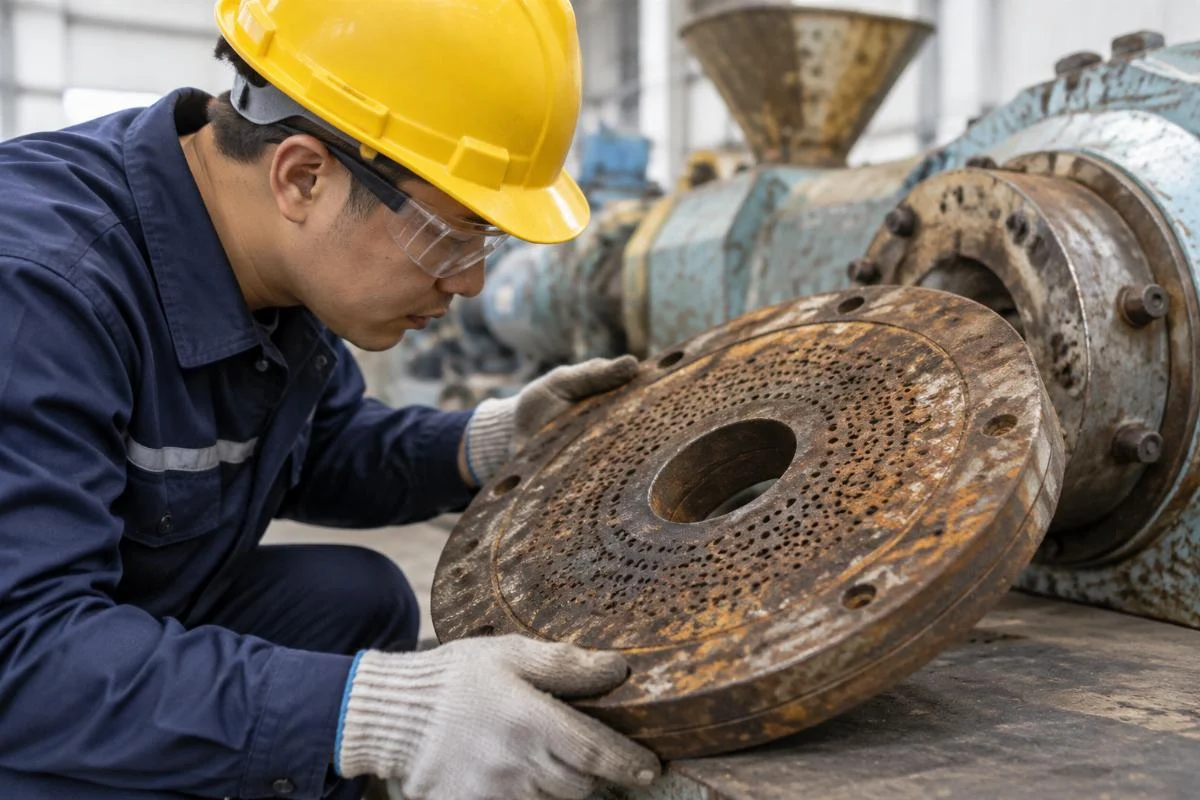
The hidden risks of second-hand snack extruder risks are not just mechanical; they are regulatory. When internal clearances expand due to wear, the shear heat generation becomes uncontrolled, which can scorch the product and create carcinogenic compounds. This reality makes the choice of a used vs new snack pellet line a matter of brand survival, not just equipment procurement.
How Do Spare Parts Compatibility Issues Affect Production?
Mismatched modular designs in legacy machines force expensive custom machining and paralyze production schedules.
The most crippling issue with older equipment is the used snack machinery spare parts compatibility problem. Extrusion technology evolves rapidly, and older modular designs are frequently discontinued by original manufacturers. When a critical component fails, you cannot simply order a replacement; you must hire a machine shop to reverse-engineer and custom-machined the part. This process introduces massive lead time delays and exorbitant costs.
Consider an African puffed snack producer who purchased second-hand gear from an unknown supplier. When a specific barrel liner cracked, they discovered that the modular design was completely mismatched with any standard modern components. They had to wait for extended periods while a local workshop attempted to machine a replacement from raw 316 stainless steel blocks. The custom machining costs ended up being several times higher than the initial discount they received on the machine.
| Spare Parts Aspect | Legacy / Used Machinery | Modern / New Machinery |
|---|---|---|
| Component Availability | Not provided, discontinued models | Full batch-level availability |
| Machining Requirement | Custom reverse-engineering required | Standardized, drop-in replacement |
| Lead Time for Repairs | Substantially extended, unpredictable | Noticeably reduced, immediate dispatch |
| Cost of Replacement | Exorbitant custom fabrication fees | Standardized, predictable pricing |
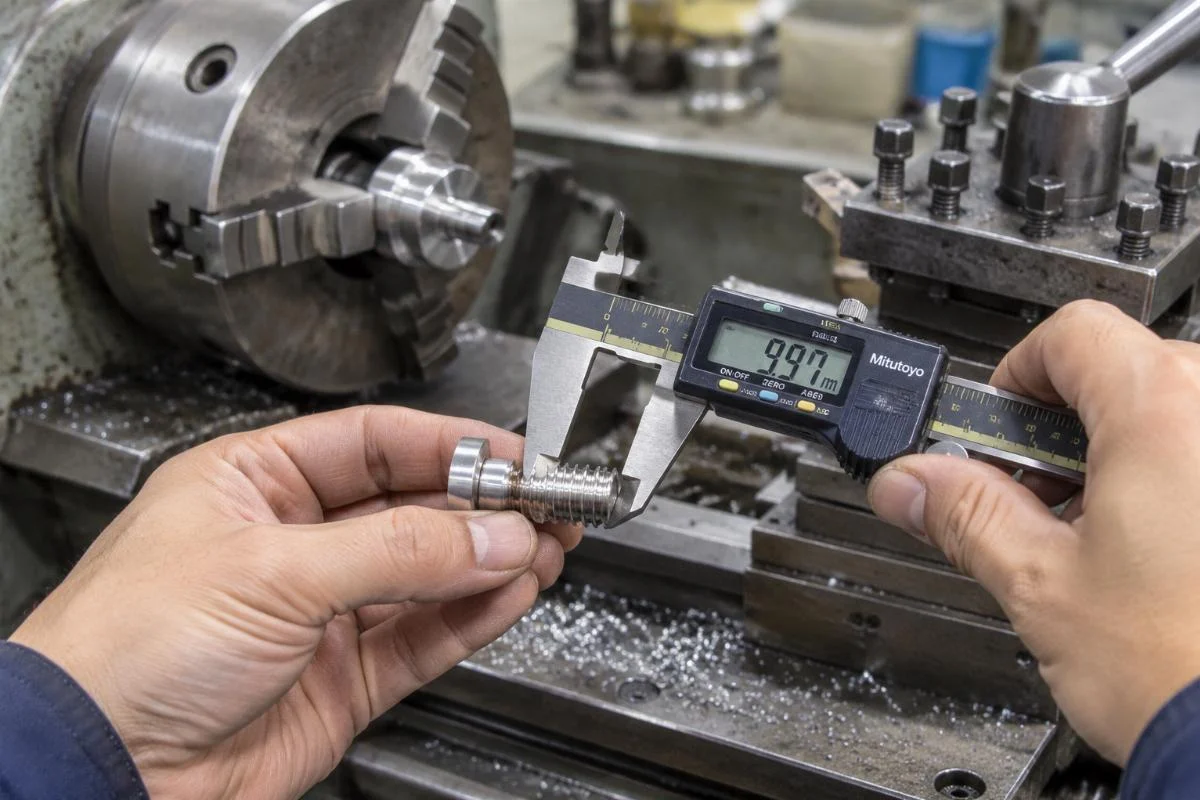
When you evaluate a used vs new snack pellet line, you must calculate the cost of these custom fabrications. A single custom-machined screw element can cost a mid-five-figure sum and take weeks to produce. During this time, your entire production floor sits idle, burning through overhead without generating a single kilogram of product.
Used vs New: Which Offers Better Long-Term ROI?
New lines eliminate hidden downtime costs and ensure consistent output with standardized, readily available spare parts.
Calculating the new snack pellet line total cost requires looking at the Total Cost of Ownership rather than just the initial invoice. While a second-hand machine might appear cheaper on day one, the new snack pellet line total cost is consistently lower over a multi-year horizon because it eliminates the hidden expenses of downtime, custom machining, and product waste.
This is where modern manufacturing standards make a definitive difference. When you invest in a new twin-screw extruder from a dedicated manufacturer like Meiteng, you are securing standardized modular designs. Our DS series twin-screw extruders feature fully standardized modular screw elements and barrels constructed from certified 304 and 316 stainless steel. Because the modular architecture is consistent and continuously supported, spare parts compatibility is never an issue. If a component needs replacing, it is readily available from our global support network, ensuring that your downtime is measured in hours, not weeks.
Furthermore, new equipment from Meiteng includes comprehensive turnkey line design, formula development support, and on-site installation with operator training. This ensures that your extrusion parameters are optimized from day one, maximizing yield and minimizing waste. The consistency of the DS series means that your operators can rely on repeatable results, batch after batch, which is essential for building brand trust in competitive snack markets.
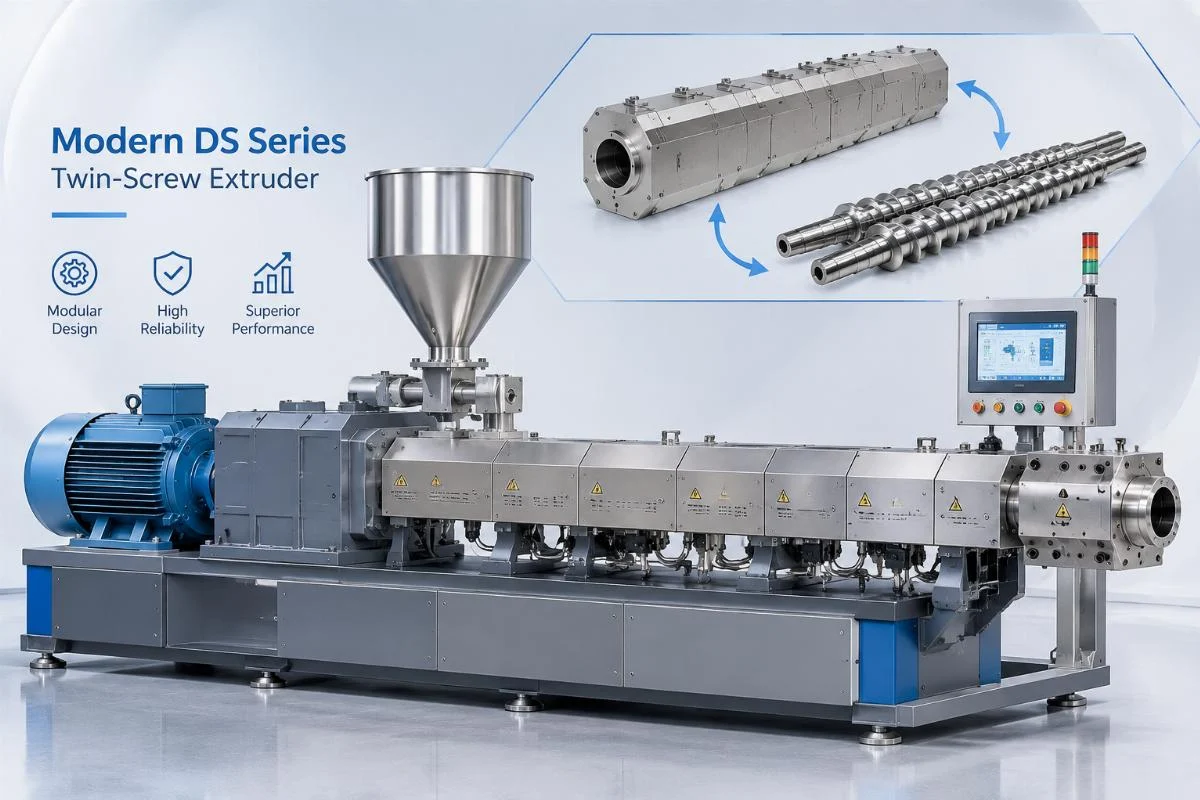
When comparing a used vs new snack pellet line, the new equipment provides a predictable, stable foundation for your business. You are not just buying metal; you are buying operational certainty, food-grade compliance, and a direct line to technical support and spare parts.
How to Verify Equipment Condition Before Purchasing?
Buyers must inspect internal screw elements and demand food-grade material certifications rather than just checking the barrel exterior.
If you are still considering a second-hand option, you must conduct a rigorous physical inspection. Do not accept a superficial visual check. You need to pull the screw elements from the barrel and measure the flight depths and clearances using precision micrometers. Compare these measurements against the original factory specifications. If the wear exceeds acceptable tolerances, the machine is a liability.
Additionally, you must demand verifiable material certifications. The barrels and screws must be made of proper food-grade stainless steel. Without mill certificates proving the material composition, you have no guarantee that the machine will not corrode or leach heavy metals into your food product. You should also inspect the die plates under magnification to check for micro-pitting and rust.
| Verification Step | Required Action | Consequence of Skipping |
|---|---|---|
| Screw Element Teardown | Measure flight depth and clearance | Unquantifiable internal wear |
| Material Certification | Demand mill certificates for 304/316 steel | High risk of corrosion and contamination |
| Die Plate Inspection | Microscopic check for pitting and rust | Food safety violations and poor product shape |
| Gearbox Oil Analysis | Check for metallic particulates | Impending catastrophic gearbox failure |
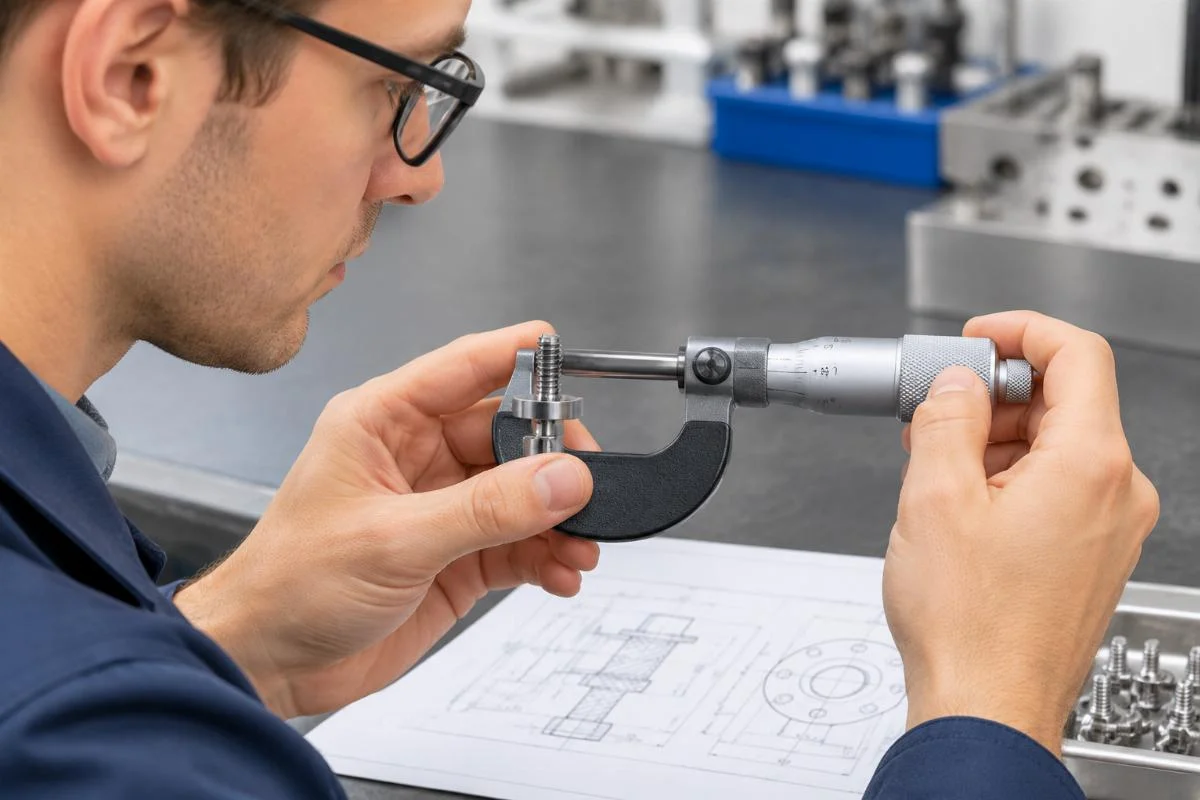
Skipping these steps when evaluating a used vs new snack pellet line is a dereliction of duty to your business and your consumers. The physical evidence of wear and material degradation cannot be hidden by a fresh coat of paint.
Conclusion
The true cost of extrusion equipment is measured in uptime, not just the purchase price.
Choosing between a used vs new snack pellet line ultimately comes down to risk management. Second-hand machinery introduces severe hidden costs through internal wear, incompatible spare parts, and unpredictable downtime that will quickly erase any initial savings. Investing in new, standardized equipment ensures food-grade compliance, reliable spare parts availability, and a stable foundation for long-term profitability.
Equipment Mentioned in This Article
 3D papad machine
3D Snack Pellet Production Line Fried Extruder Machine
3D Snack Pellet Production Line for Starch-Based Snacks — twin-screw extrusion processes potato, cassava, and corn starch into diverse shapes.… View Machine Details 3D papad machine
Automatic 3D Pellet Extruded Corn Puffed Snack Food Production Line
3D Pellet Extruded Snack Food Production Line for Starch Pellets — processes potato, corn, and cassava starch into papad and… View Machine Details 3D papad machine
2D 3D Snack Pellet Production Line Manufacturer
2D 3D Snack Pellet Production Line for Diverse Shapes from Starches — twin-screw extrusion handles wheat, corn, and cassava. The… View Machine Details 3D papad machine
Fully Automatic 3D Snack Pellets Extruder Making Machine for Chips
Chips 3D Snack Pellet Extruder Line for 2D/3D Shapes — co-rotating twin-screw extrusion processes potato and cassava starches into papad,… View Machine DetailsRelated Applications

Engineering Perspective
An In-House R&D Team Behind Every Line
Jinan MT Machinery develops its process technology in-house. The team concentrates on the four areas that decide pellet shape, expansion and line stability.
- Expansion technology
- Twin-screw extrusion
- Die design
- PLC/MCC automation
Related Articles
 Nov 12, 2026 · Brands & Alternatives
Bühler vs Wenger vs Clextral Snack Extruder Wholesale Supplier
Evaluating snack extruder options reveals that premium European brands often cause costly downtime due to long spare parts lead times and rigid designs for… Read This Article Nov 12, 2026 · Brands & Alternatives
Semi-Auto vs Fully Auto Pellet Chips Lines Manufacturer
Choosing between semi-automatic and fully automatic pellet chips lines depends on matching local power capacity, labor costs, and factory space rather than just production… Read This Article Nov 12, 2026 · Brands & Alternatives
Low-Fat Snack Air Popping Lines: Wholesale Supplier for Pellet Fryer Alternatives
Transitioning to an Air popping line for low-fat snacks often causes blockages and severe screw wear due to poor shear control. Twin-screw extruders with… Read This ArticleFree Process Check
Send Your Recipe for a Process Check
Jinan MT Machinery engineers review your recipe and return a free process plan within 24 hours. Tell us the product, output, raw material, local voltage and heat source.
Send Your Recipe on WhatsApp