
Continuous Pellet Fryer Oil System Maintenance Guide by Manufacturer
- By Jinan MT Machinery
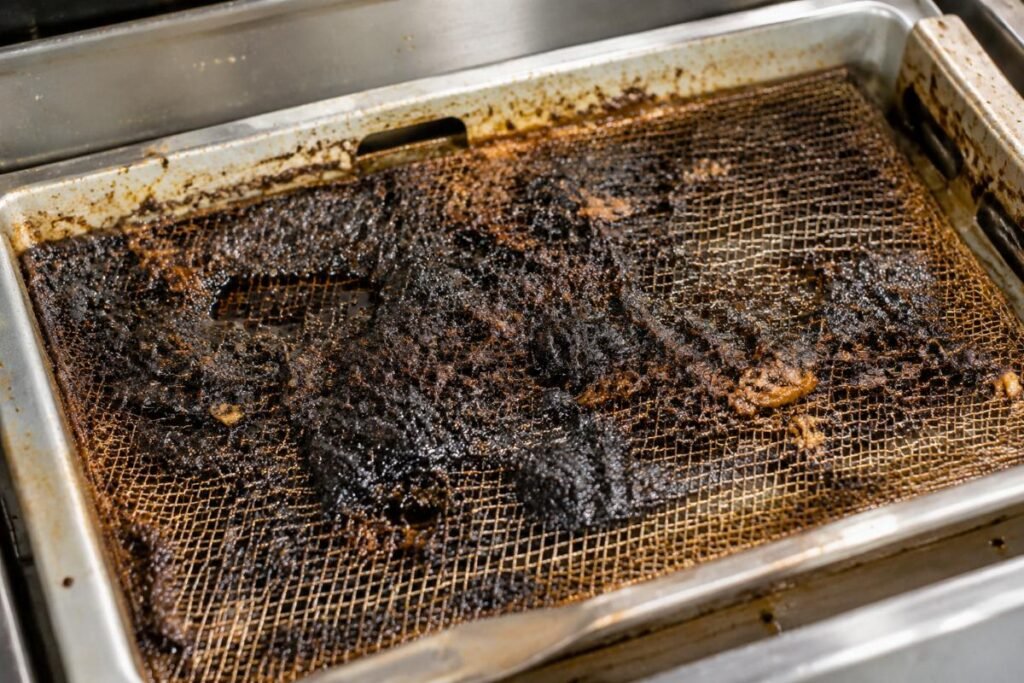
Most operators believe swapping out degraded oil fixes product quality, but the real culprit is almost always microscopic debris bypassing the filtration loop.
To master continuous pellet fryer maintenance, you must execute strict daily filter cleaning to maintain flow, monitor oil turnover rates and pump pressure for even frying, and routinely inspect seals to prevent leakage. This step-by-step method prevents catastrophic pump failures and extends oil life without relying on unnecessary full oil changes.
I still remember the smell of burnt oil and the frantic shouting on the floor of a pet food facility in Monterrey, Mexico. The entire extrusion and frying line had been dead for days. The root cause was not a complex electrical fault or a broken heater; it was a clogged filter mesh that starved the oil pump, causing it to overheat and seize. The plant manager kept insisting they just needed to change the oil, but the new oil just degraded faster because the circulation was choked. Since then, I have spent years walking through facilities across Latin America and the Middle East, looking at the thick sludge inside oil return pipes and dismantling clogged filtration housings. Proper continuous pellet fryer maintenance is not about guessing; it is about understanding the fluid dynamics of the oil loop and respecting the physical limits of the pump.
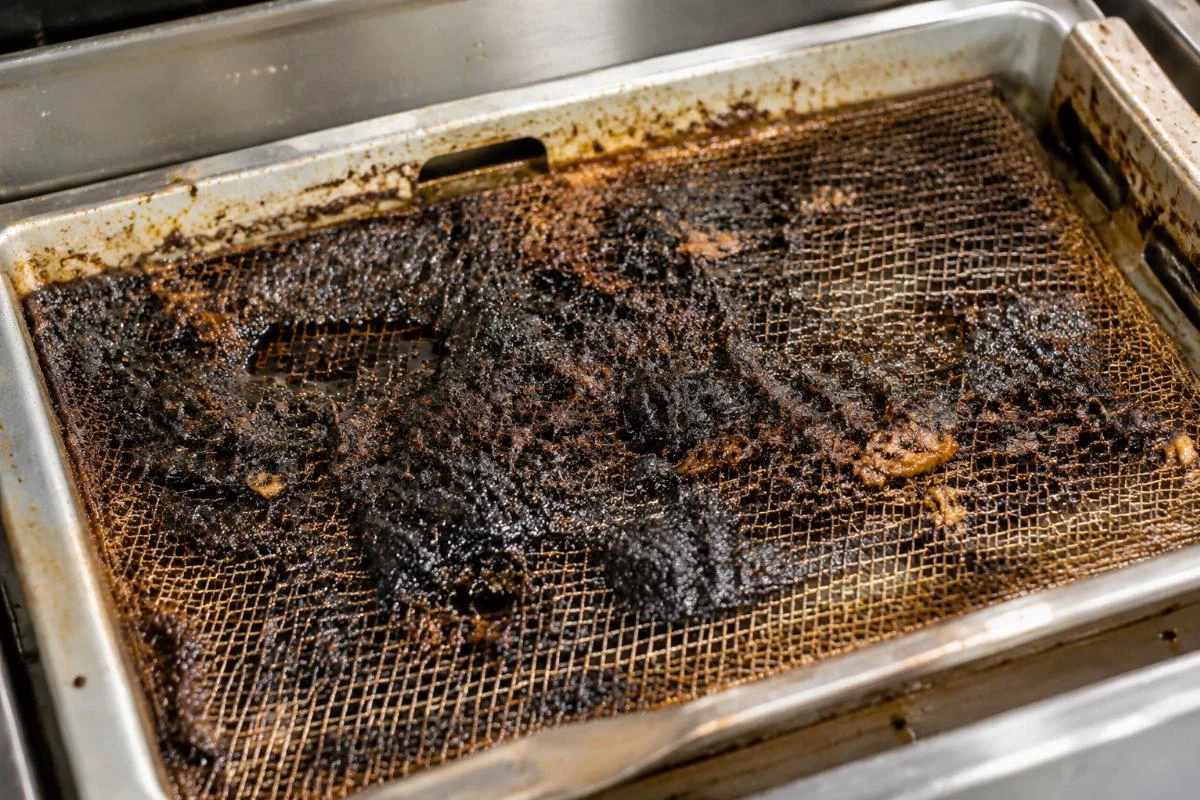
Let us walk through the exact steps to keep your system running smoothly.
Why Does the Oil Pump Keep Failing?
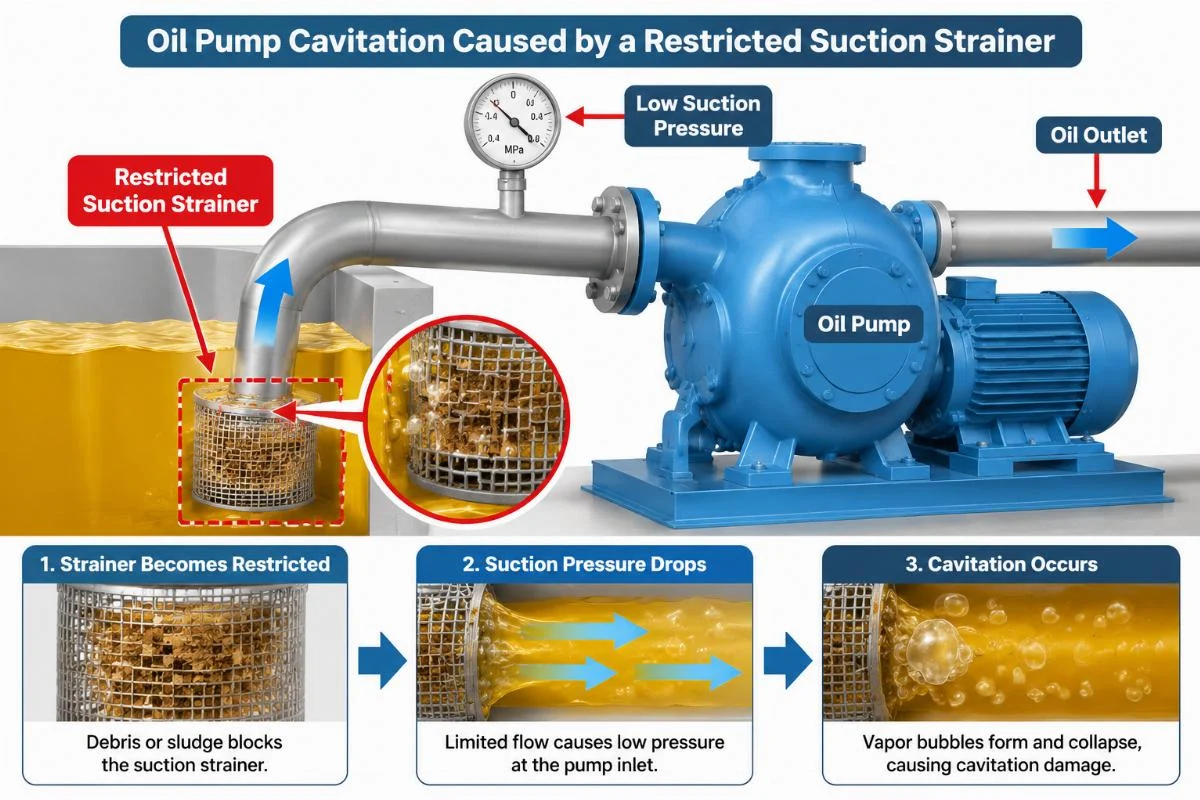
The majority of oil pump failures in continuous frying systems are directly caused by cavitation and starvation resulting from neglected pre-filtration.
When we talk about continuous pellet fryer maintenance, the oil pump is the heart of the system. It pulls oil from the main fryer vat, pushes it through the heat exchangers, and returns it. If the suction side of the pump is restricted, the fluid pressure drops below the vapor pressure of the oil, creating microscopic vapor bubbles. When these bubbles collapse inside the pump impeller, they cause severe mechanical damage.
During my time troubleshooting lines in Latin America, I noticed a recurring pattern. Operators would run the fryer at maximum capacity to meet production targets, generating a massive amount of fine particulate matter from the dough pellets. This debris would quickly blanket the primary filter basket. Instead of cleaning it, the line would keep running. The pump would start drawing in a mixture of oil and thick sludge, or worse, starve for fluid entirely.
Continuous fryer troubleshooting in these scenarios always starts at the suction strainer. If you ignore the pressure drop across the filter, the pump will eventually fail.
How to Clean the Oil Filtration System Properly?
A strict daily and weekly cleaning schedule for the filtration loop is the only reliable way to maintain optimal flow and prevent oil degradation.
Knowing how to clean fryer oil system components correctly separates a well-run plant from a disaster zone. Many facilities treat filter cleaning as an afterthought, doing it only when the oil overflows or the pump alarms.
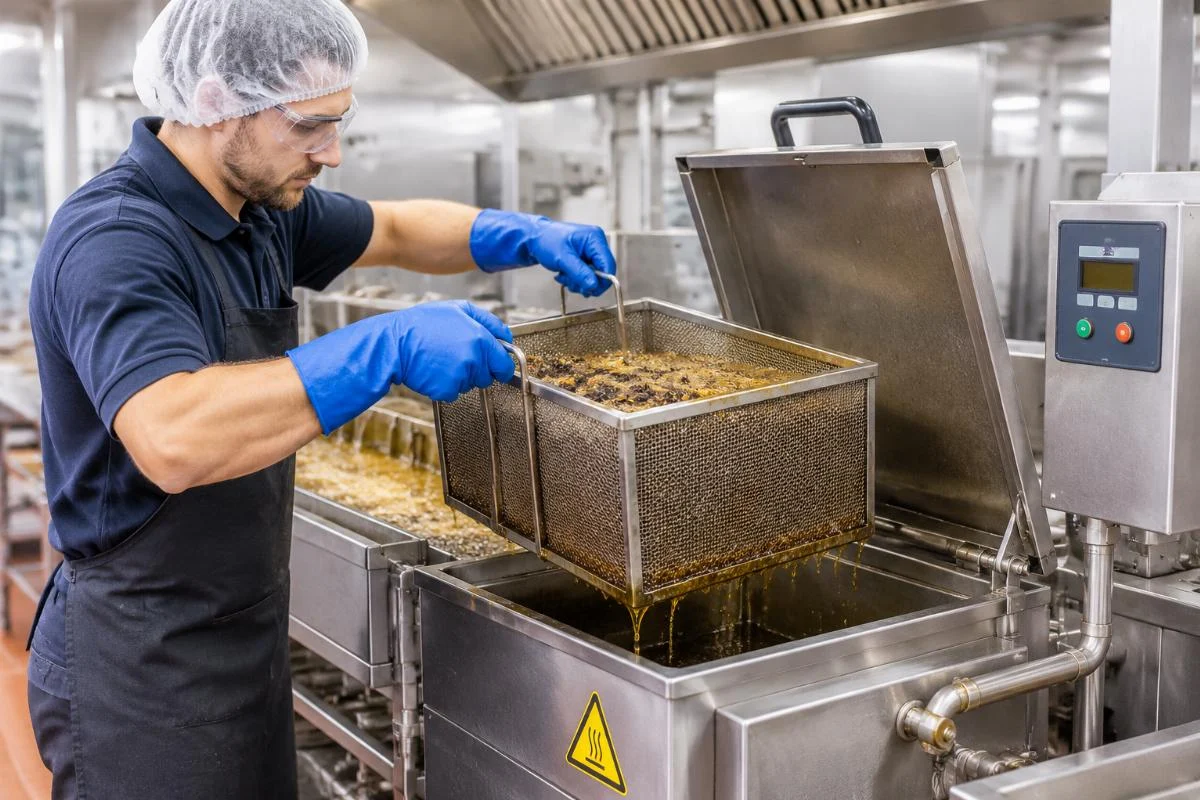
Here is the correct step-by-step method for fryer oil filter maintenance:
- Isolate and Drain: Shut down the circulation pump and close the isolation valves. Drain the specific filter housing completely to prevent hot oil spills.
- Extract the Primary Mesh: Remove the coarse filter basket. This catches the large pellet fines and breading dust. Inspect the mesh for blinding (where particles are wedged deep into the wire intersections).
- Chemical Soak and Agitation: Do not just rinse with water. Submerge the mesh in a hot, food-grade caustic cleaning solution. Agitate it to dissolve the polymerized oil and carbon buildup.
- Inspect the Secondary Polish Filter: If your system has a secondary fine filter for the final polish, check the differential pressure gauge. Replace the paper or synthetic cartridge elements when the pressure drop indicates they are loaded.
- Reassemble and Prime: Reinstall the baskets, ensure all gaskets are seated correctly to prevent air leaks on the suction side, and slowly open the valves to prime the pump.
Skipping the chemical soak is a common mistake. Rinsing with hot oil or water only moves the debris around.
What Are Key Parameters for Oil Circulation?
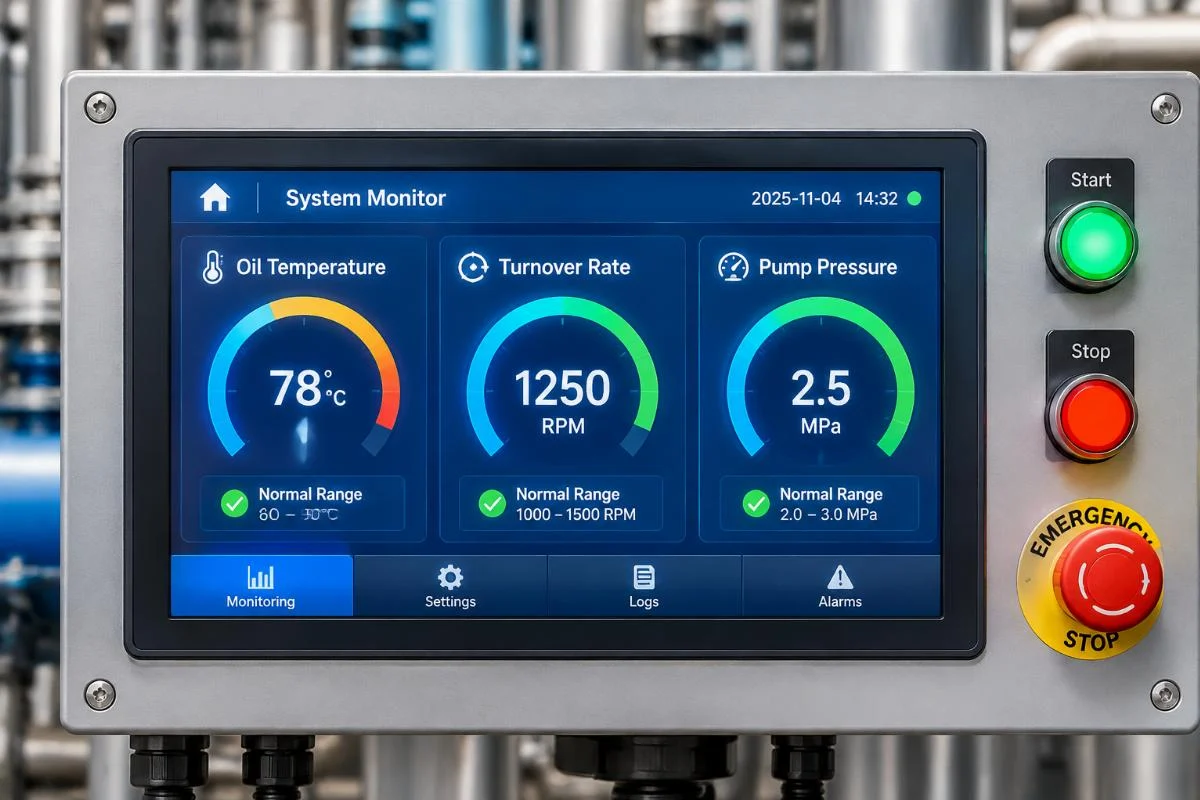
Monitoring oil turnover rate, system temperature, and pump discharge pressure ensures even frying and prevents localized hot spots that burn the product.
Effective continuous pellet fryer maintenance relies heavily on understanding the oil turnover rate. This is the calculation of how many times the total volume of oil in the fryer vat circulates through the system per hour. If the turnover rate is too low, the oil temperature drops when cold pellets are introduced, leading to greasy, under-cooked product. If it is too high, you waste energy and increase the shear stress on the oil, accelerating degradation.
Another counter-intuitive reality in this industry is the belief that higher temperatures speed up frying and improve throughput. In reality, excessive temperatures accelerate oil oxidation, create free fatty acids, and clog the filters much faster.
When designing and optimizing systems, we focus on balancing these parameters. For instance, Meiteng’s continuous fryers are engineered with optimized oil flow dynamics and easily accessible filter housings to support this balance. The turnkey line design integrates precise temperature control and pump pressure monitoring, ensuring that the oil turnover rate matches the specific extruder output. During on-site operator training, our technicians emphasize that watching the discharge pressure gauge is just as important as watching the fryer temperature. If the pressure climbs, the filter is blinding, regardless of what the temperature says.
How to Prevent Oil Degradation and Leakage?
Regular seal inspections and free fatty acid testing are critical to extending system life and maintaining product quality.
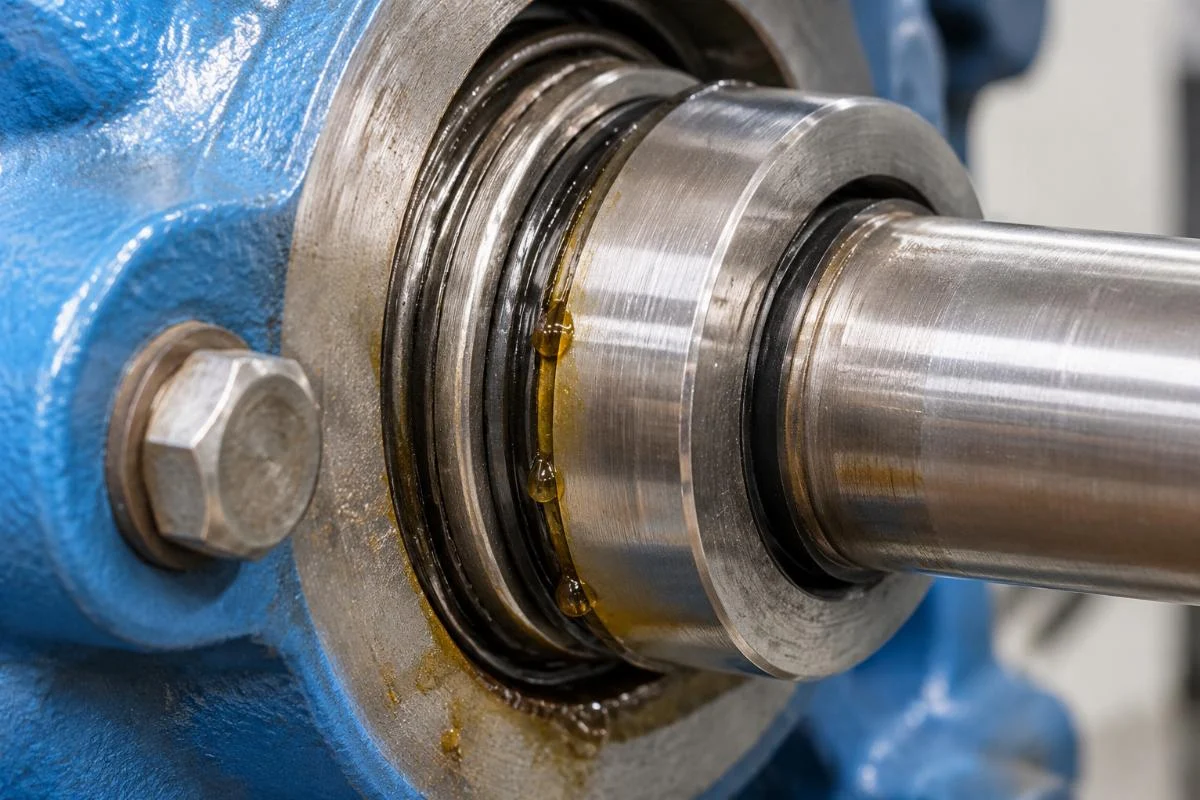
Oil leakage is a silent killer of profitability. It creates slip hazards, wastes expensive cooking oil, and lowers the fryer level, exposing the heating elements and causing localized burning. In a feed production line in Southeast Asia, we encountered a situation where the main circulation pump was weeping oil from the mechanical seal. The operators had topped up the oil level repeatedly but never investigated the source. The degraded oil was contaminating the final product, causing off-flavors and rejection by the buyer.
Preventing this requires proactive continuous pellet fryer maintenance. You must establish a routine to check the mechanical seals and gaskets on the pump, valves, and filter housings. Look for crystallized oil around the seal faces, which indicates micro-leaks that will eventually become major failures.
Furthermore, oil degradation is not just about color; it is about chemical breakdown. You must test the oil for free fatty acids and polar compounds regularly. If the filtration system is working correctly, it removes the physical particulates that act as catalysts for oxidation. But it cannot remove dissolved chemical breakdown products. Fresh oil must be added continuously at a calculated rate to replace the oil absorbed by the pellets and the oil degraded by heat.
Conclusion
Mastering continuous pellet fryer maintenance requires shifting focus from reactive oil changes to proactive filtration and circulation management. By strictly adhering to daily filter cleaning schedules, monitoring turnover rates, and inspecting seals for leaks, manufacturers can eliminate pump failures and ensure consistent product quality. Implementing these step-by-step methods protects your equipment and maximizes the lifespan of your cooking oil.
Equipment Mentioned in This Article
 3D papad machine
2D 3D Snack Pellet Production Line Manufacturer
2D 3D Snack Pellet Production Line for Diverse Shapes from Starches — twin-screw extrusion handles wheat, corn, and cassava. The… View Machine Details frying chips machine
Industrial Deep Fryer Machine Manufacturer Banana Potato Chips French Fries
Industrial Deep Fryer Machine for banana and potato chips features automatic basket lifting and oil filtration. The electric heating system… View Machine Details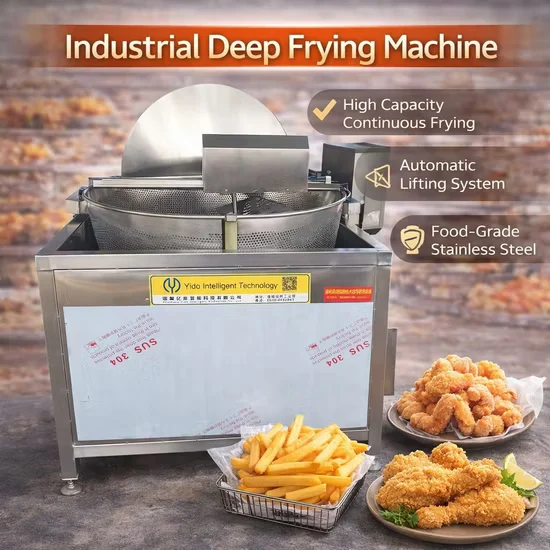 frying chips machine
Potato Chips Frying Machine Manufacturer Electric Gas Deep Fryer
Potato Chips Frying Machine for Uniform Heating and Oil Filtration — deep frying with automatic basket lifting ensures consistent product… View Machine Details frying chips machine
Industrial Food Deep Frying Machine Manufacturer Stainless Steel
Food Deep Frying Machine for Industrial Snack and Meat Processing — automatic continuous frying with precise temperature control for potato… View Machine Details
Engineering Perspective
An In-House R&D Team Behind Every Line
Jinan MT Machinery develops its process technology in-house. The team concentrates on the four areas that decide pellet shape, expansion and line stability.
- Expansion technology
- Twin-screw extrusion
- Die design
- PLC/MCC automation
Related Articles
 Nov 17, 2026 · Installation & Maintenance
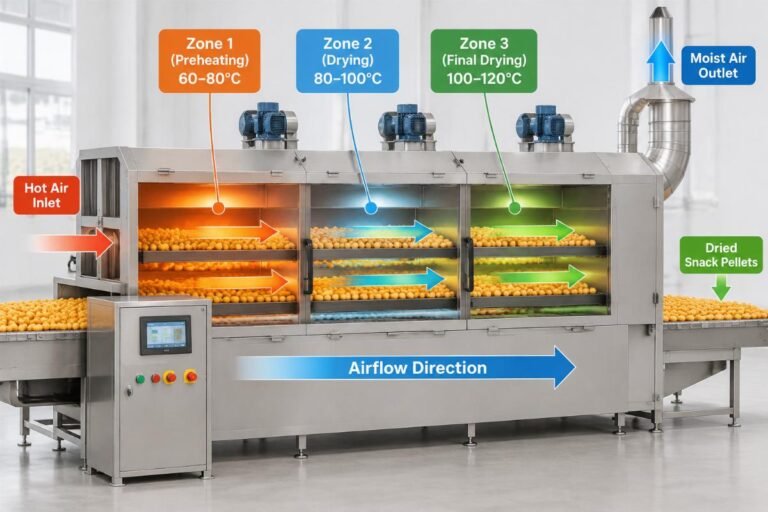
Fix Snack Pellet Cracking in Drying: Twin-Screw Extruder Manufacturer
Snack pellets cracking during drying is rarely an extrusion fault but a thermal bottleneck caused by rapid surface moisture evaporation. Implementing a multi-zone gradual… Read This Article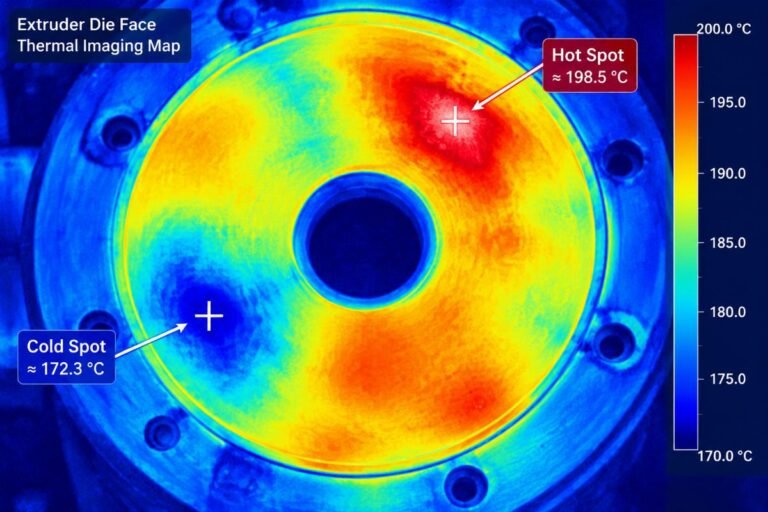 Nov 17, 2026 · Installation & Maintenance
Fried Pellet Chips Extruder Manufacturer: Fix Uneven Expansion
Troubleshooting uneven expansion fried pellet chips requires addressing mechanical installation deviations and thermal inconsistencies instead of adjusting recipes. Verify die temperature sensor alignment, inspect… Read This Article Nov 17, 2026 · Installation & Maintenance
Snack Pellet Dryer Maintenance: Belts, Fans & Heating Elements Manufacturer
Effective snack pellet dryer maintenance prevents hidden moisture pockets and localized scorching by addressing belt tension, fan airflow, and heating element decay. Master precise… Read This ArticleFree Process Check
Send Your Recipe for a Process Check
Jinan MT Machinery engineers review your recipe and return a free process plan within 24 hours. Tell us the product, output, raw material, local voltage and heat source.
Send Your Recipe on WhatsApp