
Extruder Screw & Barrel Wear in Pellet Lines: Replacement Guide from Manufacturer
- By Jinan MT Machinery
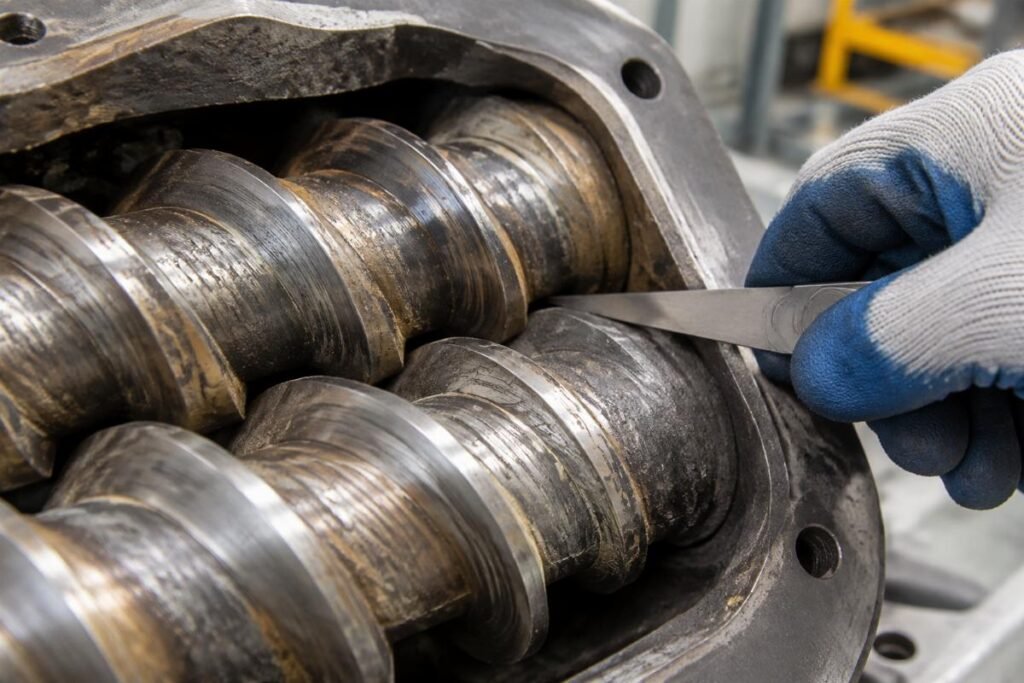
Waiting for a visible drop in pellet output is already too late; by the time production slows down, internal clearance changes have already ruined product quality and scored the barrel.
The definitive answer to when to replace extruder screw and barrel is the moment the radial clearance between the screw root and the barrel inner wall exceeds the original equipment manufacturer’s tolerance limit, which is reliably detected through motor amperage spikes and dimensional gauging rather than waiting for catastrophic failure.
Years ago, when I was sourcing pet food in North America, our pellet line extruder maintenance was practically an afterthought. We ignored minor extruder screw and barrel wear because the line was still running. That mistake led to severe barrel scoring, forcing the entire line to shut down for days while several tons of raw materials were scrapped. Later, transitioning to the equipment side and spending years walking the floors at trade shows in Hannover and Chicago, I heard countless plant managers complain about their components wearing out too fast. The truth I uncovered by examining failed parts on-site is that most of this extruder screw and barrel wear stems from improper installation and alignment, not just normal material fatigue.
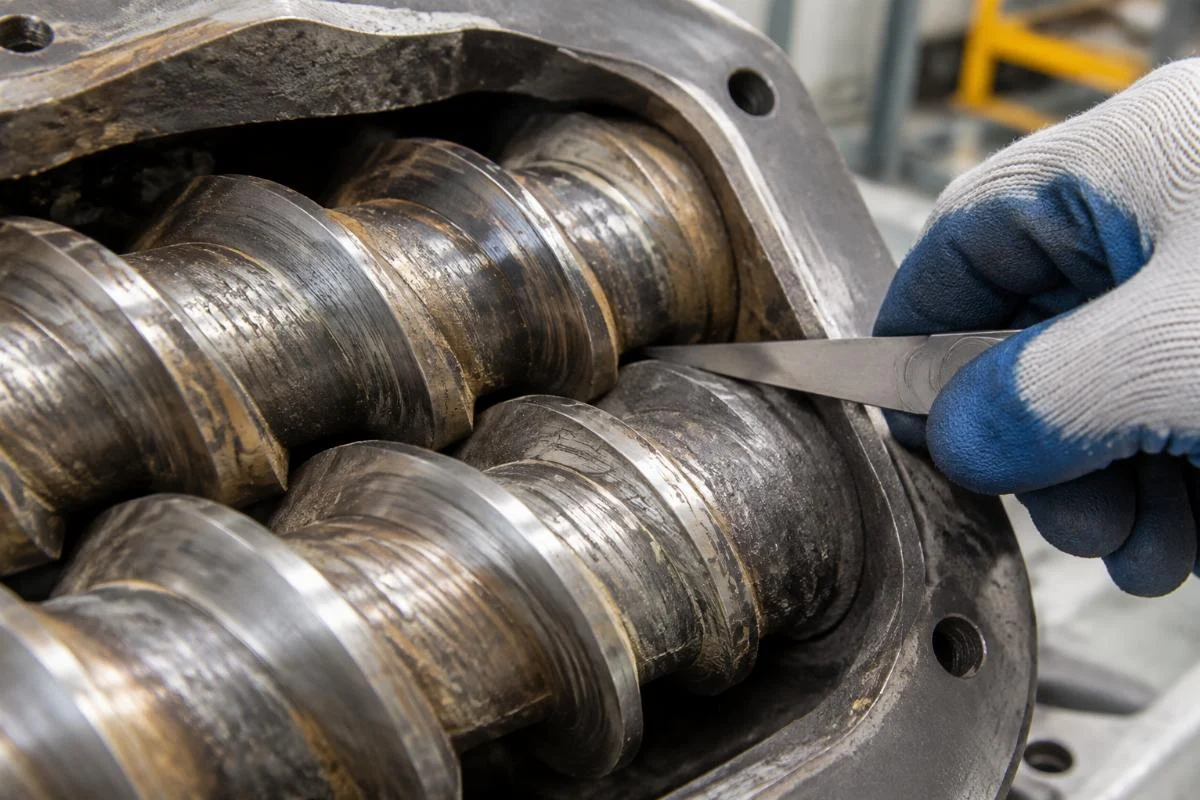
Let us walk through the exact methodology to identify, measure, and prevent these failures.
What Are the Early Signs of Extruder Screw and Barrel Wear?
Motor amperage spikes and a gradual decrease in specific mechanical energy are the first reliable indicators of internal clearance expansion.
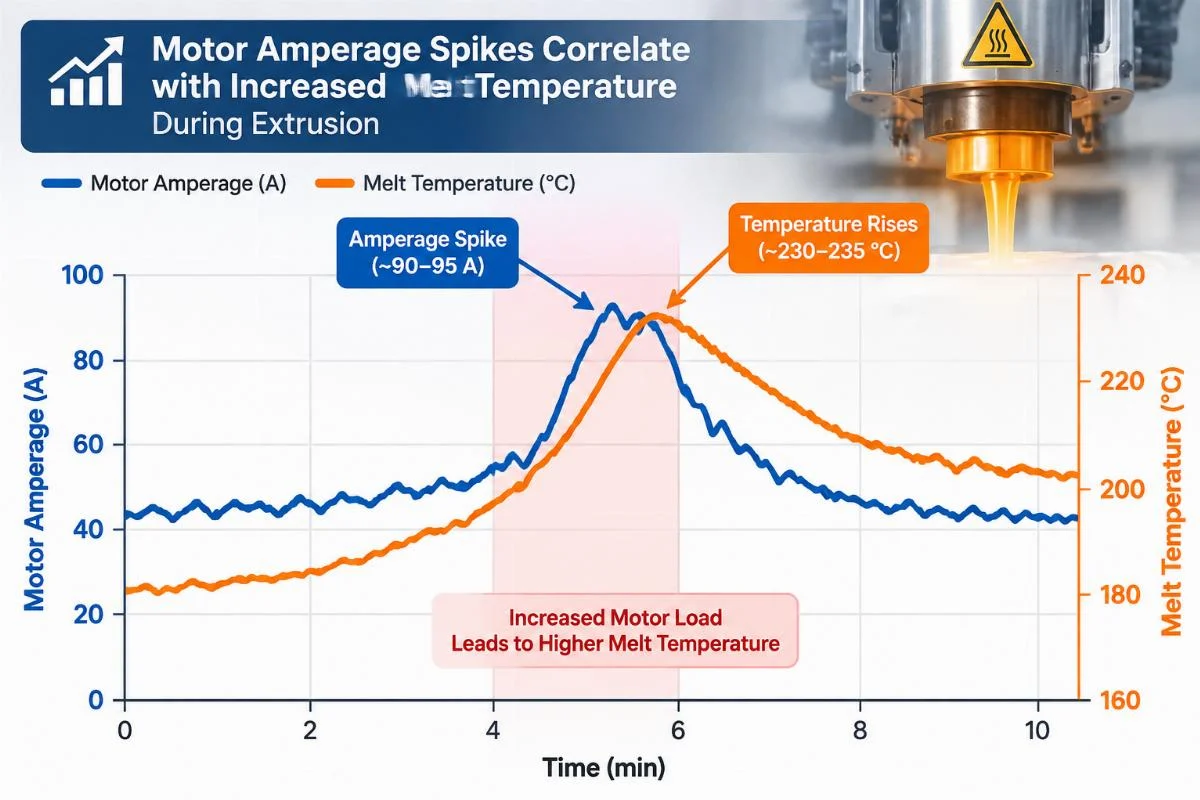
Many operators assume that extruder screw and barrel wear only manifests as a drop in throughput. In reality, the physics of the extrusion process tells a different story. As the clearance between the screw flight and the barrel wall widens, the material slip increases. The motor has to work harder to push the same volume of high-fiber or high-protein dough, leading to erratic amperage draws before any physical output drop is noticeable.
I once reviewed a case where a pet food startup ignored these subtle twin screw extruder wear signs. They noticed the main motor amperage fluctuating but attributed it to raw material moisture variations. By the time the pellet durability noticeably dropped, the internal clearance had expanded so much that the screw flights were essentially rubbing against the barrel wall, generating excessive friction heat. This resulted in a multi-day downtime to extract the seized screw and re-bore or replace the barrel.
To catch extruder screw and barrel wear early, you must track the baseline motor amperage during stable running conditions. Any sustained spike or erratic behavior, combined with a slight increase in melt temperature without a corresponding change in barrel heater settings, points directly to clearance issues.
How to Measure Wear and Decide When to Replace?
Replace components when the clearance between the screw root and barrel inner wall exceeds the OEM tolerance limit, verified through precise physical gauging.
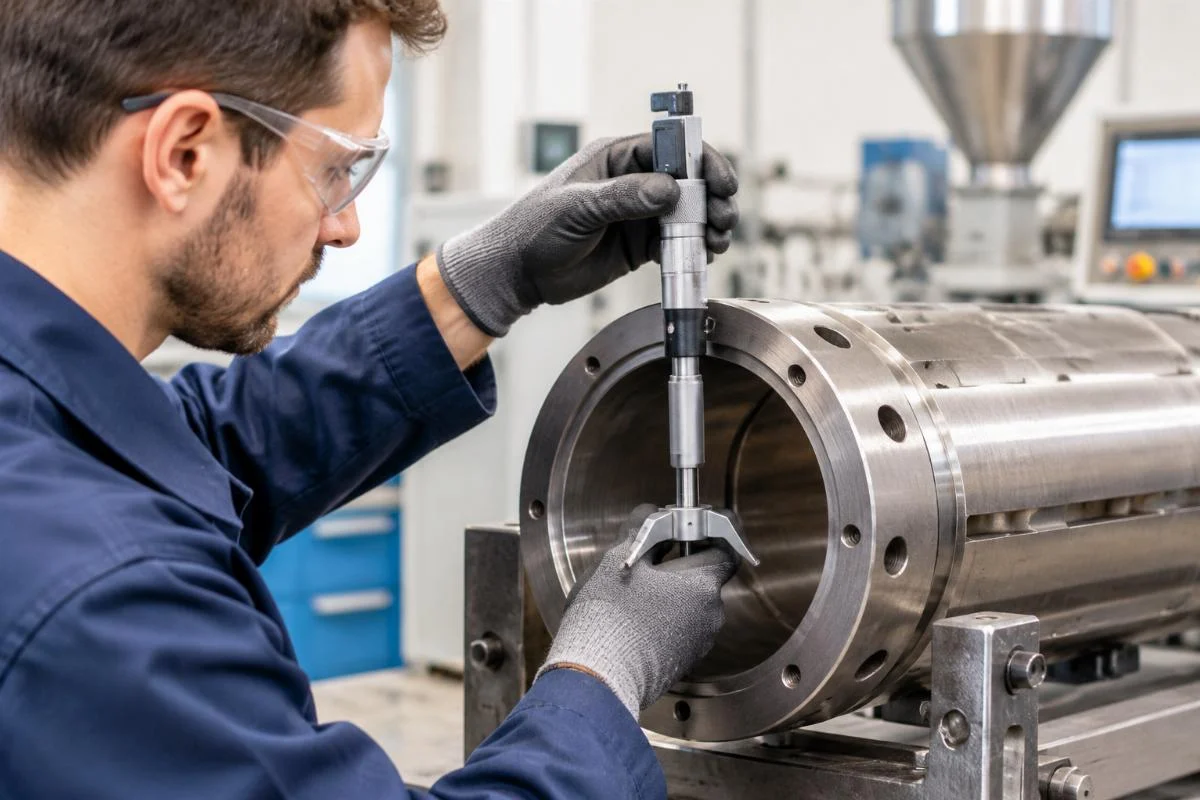
You cannot manage what you do not measure. Relying on visual inspection of the screw flights is insufficient because the critical wear occurs at the flight tips and the barrel inner diameter. The standard methodology requires pulling the screw elements and measuring the root diameter, then using a telescoping gauge or bore micrometer to measure the barrel inner diameter at multiple zones, particularly in the feed and compression sections where abrasive ingredients cause the most damage.
Calculate the radial clearance by halving the difference between the barrel ID and the screw OD. Compare this against the OEM’s maximum allowable clearance. If the measurement exceeds this threshold, replacement is mandatory. Continuing to run beyond this limit guarantees catastrophic barrel scoring and contaminated product.
In an aquaculture feed line producing high-fiber formulas, the abrasive nature of the raw materials accelerated the wear rate significantly. The plant manager implemented a strict pellet line extruder maintenance schedule, measuring clearances during planned shutdowns. By replacing the screw elements and barrel sleeves exactly when they hit the tolerance limit—rather than waiting for failure—they maintained consistent pellet water stability and avoided unplanned stoppages. This proactive approach transformed their maintenance from a reactive crisis into a predictable operational cost.
What Causes Accelerated Wear Beyond Normal Fatigue?
Improper installation alignment and highly abrasive raw materials cause uneven, premature wear patterns that drastically shorten component life.
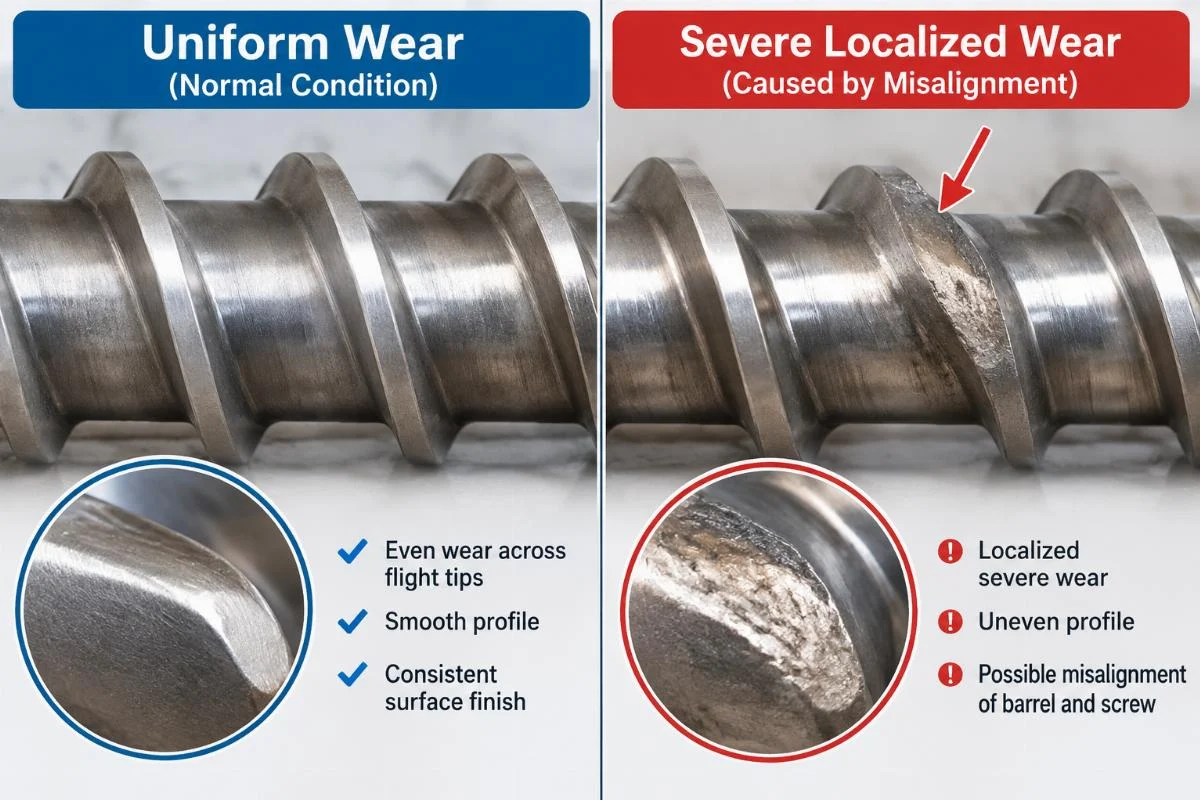
A common misconception is that extruder screw and barrel wear is purely a function of running hours and material hardness. However, field analysis of failed components consistently reveals that misalignment is a primary culprit. When the gearbox output shaft, the barrel flanges, and the screw assembly are not perfectly coaxial, the screw is forced to run off-center. This creates localized, severe contact between the flight tips and the barrel wall, destroying the protective nitrided or bimetallic layers in a fraction of the expected lifespan.
Consider a snack food plant that kept going through barrels in a specific zone. They blamed the recipe. Upon on-site inspection, it was discovered that the barrel mounting feet were not perfectly level, and the gearbox alignment was slightly off. This misaligned installation caused uneven wear, concentrating all the friction on one side of the barrel. Once the alignment was corrected and the foundation shimmed, the component lifespan extended noticeably, and the localized scoring stopped entirely.
Furthermore, the choice of raw materials dictates the wear mechanism. Ingredients like rice hulls, high-silica minerals, or certain bone meals act as lapping agents. If your formula is highly abrasive, standard tool steel will fail rapidly, necessitating upgraded metallurgy or more frequent pellet line extruder maintenance cycles.
How to Prevent Premature Failure During Installation?
Strict coaxial alignment and proper torque during assembly significantly extend the service life of the extrusion system and prevent premature clearance expansion.
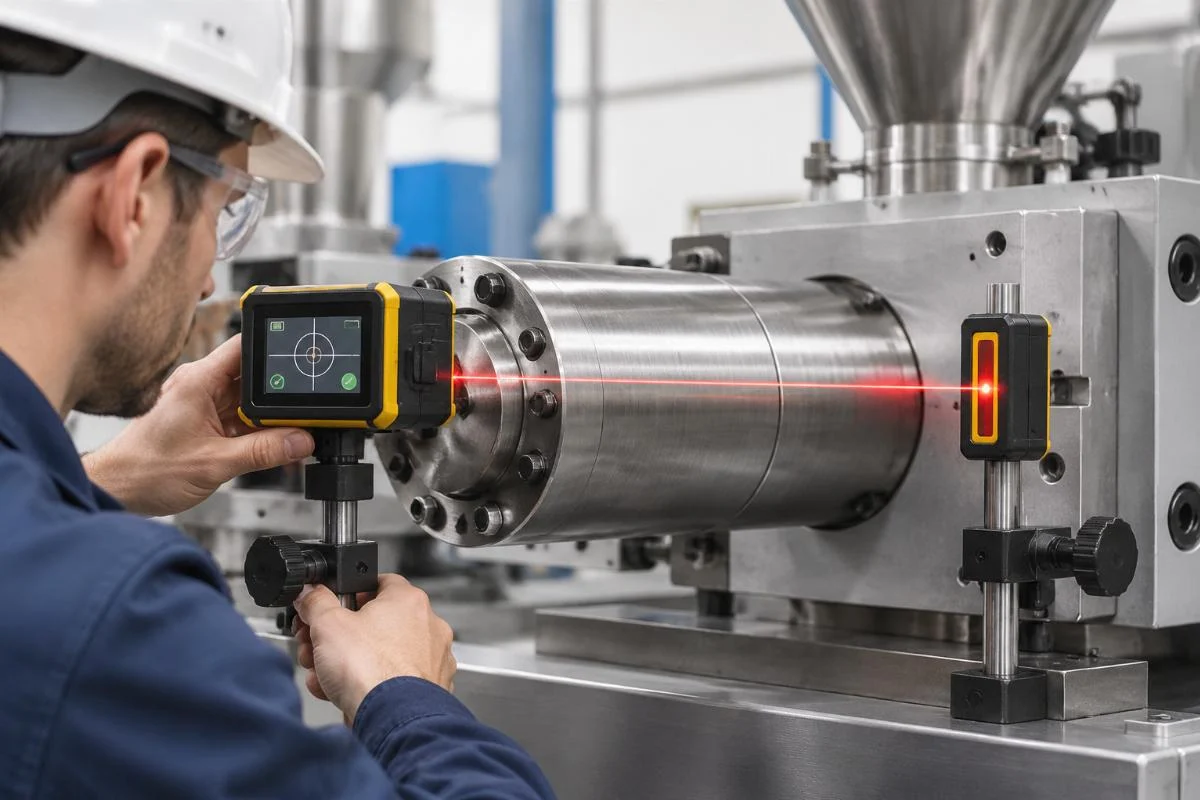
Preventing extruder screw and barrel wear starts before the machine even turns on. The installation phase is critical. Every barrel section must be aligned to a strict coaxial tolerance, and all tie-rod nuts must be torqued evenly in a star pattern to prevent barrel distortion. A distorted barrel will immediately create narrow clearance zones, leading to instant friction and wear upon startup.
This is where professional intervention makes a tangible difference. When Meiteng executes a turnkey project, our engineers do not just drop off the equipment. We provide comprehensive on-site installation, commissioning, and operator training. Our team uses precision laser alignment tools to ensure the gearbox and barrel line are perfectly coaxial, and we train your local maintenance crew on the exact torque sequences and clearance measurement techniques.
By ensuring perfect alignment from day one and training your team to recognize the early twin screw extruder wear signs, we help you maximize the lifespan of the extrusion system. This meticulous approach to installation and handover ensures that your pellet line runs efficiently, protecting your investment in the screw and barrel elements and keeping your production schedule intact.
Conclusion
Timely replacement based on precise clearance measurements, combined with flawless installation alignment, is the only way to prevent catastrophic barrel scoring and protect your production margins. Ignoring early amperage spikes or relying on visual guesses will inevitably lead to severe extruder screw and barrel wear, resulting in expensive downtime and scrapped raw materials. Mastering these maintenance and installation protocols ensures your pellet line operates at peak efficiency.
Equipment Mentioned in This Article
 3D papad machine
3D Snack Pellet Production Line Fried Extruder Machine
3D Snack Pellet Production Line for Starch-Based Snacks — twin-screw extrusion processes potato, cassava, and corn starch into diverse shapes.… View Machine Details 3D papad machine
Automatic 3D Pellet Extruded Corn Puffed Snack Food Production Line
3D Pellet Extruded Snack Food Production Line for Starch Pellets — processes potato, corn, and cassava starch into papad and… View Machine Details 3D papad machine
2D 3D Snack Pellet Production Line Manufacturer
2D 3D Snack Pellet Production Line for Diverse Shapes from Starches — twin-screw extrusion handles wheat, corn, and cassava. The… View Machine Details frying chips machine
Industrial Deep Fryer Machine Manufacturer Banana Potato Chips French Fries
Industrial Deep Fryer Machine for banana and potato chips features automatic basket lifting and oil filtration. The electric heating system… View Machine DetailsRelated Applications

Engineering Perspective
An In-House R&D Team Behind Every Line
Jinan MT Machinery develops its process technology in-house. The team concentrates on the four areas that decide pellet shape, expansion and line stability.
- Expansion technology
- Twin-screw extrusion
- Die design
- PLC/MCC automation
Related Articles
 Nov 17, 2026 · Installation & Maintenance
Fix Snack Pellet Cracking in Drying: Twin-Screw Extruder Manufacturer
Snack pellets cracking during drying is rarely an extrusion fault but a thermal bottleneck caused by rapid surface moisture evaporation. Implementing a multi-zone gradual… Read This Article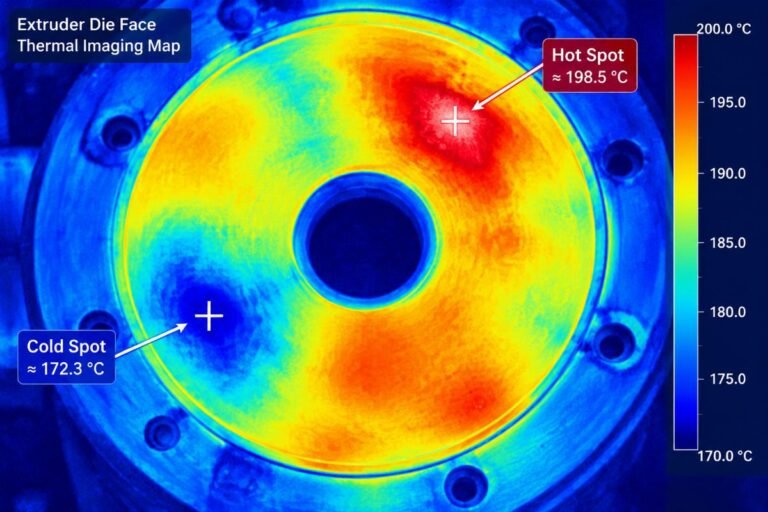 Nov 17, 2026 · Installation & Maintenance
Fried Pellet Chips Extruder Manufacturer: Fix Uneven Expansion
Troubleshooting uneven expansion fried pellet chips requires addressing mechanical installation deviations and thermal inconsistencies instead of adjusting recipes. Verify die temperature sensor alignment, inspect… Read This Article Nov 17, 2026 · Installation & Maintenance
Snack Pellet Dryer Maintenance: Belts, Fans & Heating Elements Manufacturer
Effective snack pellet dryer maintenance prevents hidden moisture pockets and localized scorching by addressing belt tension, fan airflow, and heating element decay. Master precise… Read This ArticleFree Process Check
Send Your Recipe for a Process Check
Jinan MT Machinery engineers review your recipe and return a free process plan within 24 hours. Tell us the product, output, raw material, local voltage and heat source.
Send Your Recipe on WhatsApp