
How Meiteng Engineers Install a 3D Snack Pellet Line On Site
- By Jinan MT Machinery
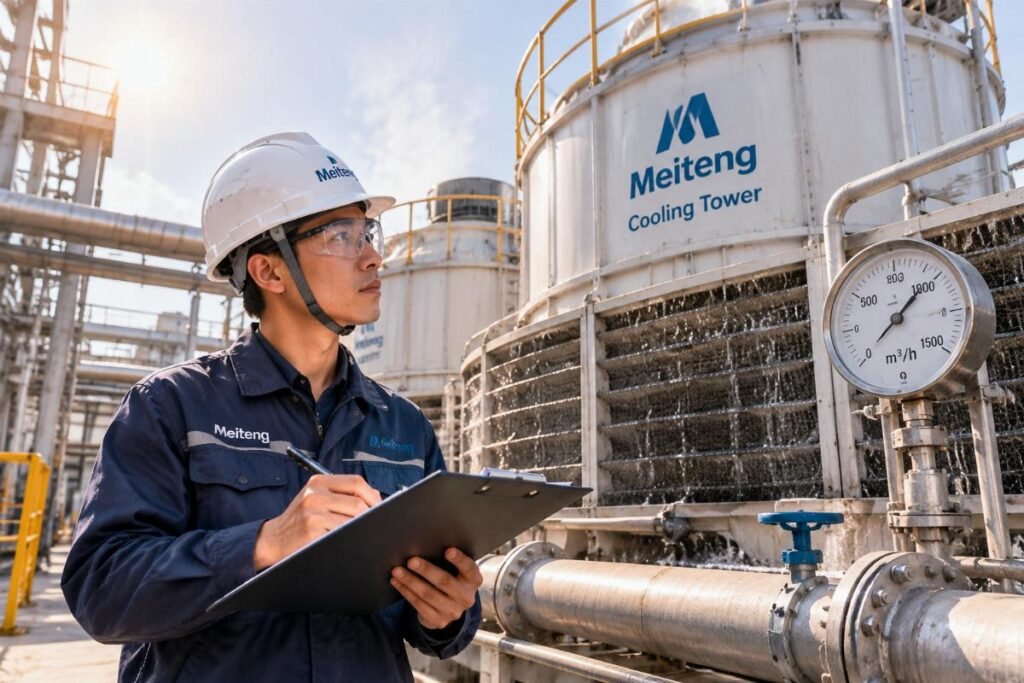
Most plant managers prioritize machine assembly first; true professionals inspect the facility’s cooling infrastructure before unpacking the extruder.
The secret to a flawless 3D snack pellet line installation lies in pre-commissioning thermal dynamics assessment and systematic cooling system validation, not just mechanical alignment.
When you are standing on a factory floor in the Middle East during the peak of summer, the ambient heat completely changes the rules of extrusion. Years ago, while commissioning a twin-screw setup in Saudi Arabia, the local cooling tower simply could not handle the extreme ambient temperatures. The barrel temperature spiked uncontrollably, and the freshly extruded 3D pellets deformed instantly, sticking to the conveyor belt and halting the entire plant. That sweltering afternoon cemented a non-negotiable rule for our field operations: we never touch the mechanical components until the shop floor thermal readiness is proven. A successful 3D snack pellet line installation hinges on verifying that the facility can reject the massive heat load generated by the extruder before the machine is even unboxed.
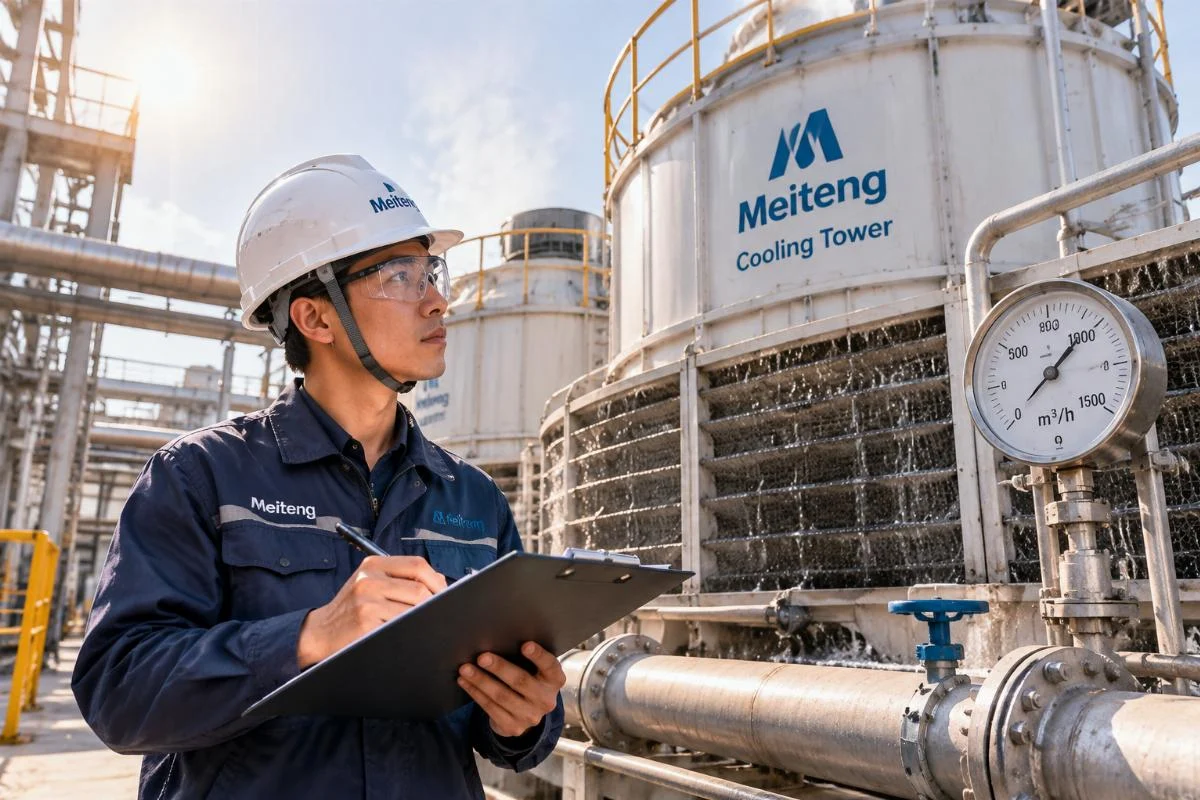
Moving straight to mechanical setup without validating the thermal environment is a recipe for catastrophic deformation during the initial runs. Let us walk through the exact methodology we use to ensure your production line operates smoothly from day one.
Why Check the Cooling System Before Unpacking the Extruder?
Facility thermal readiness prevents catastrophic pellet deformation and conveyor blockages during initial runs.
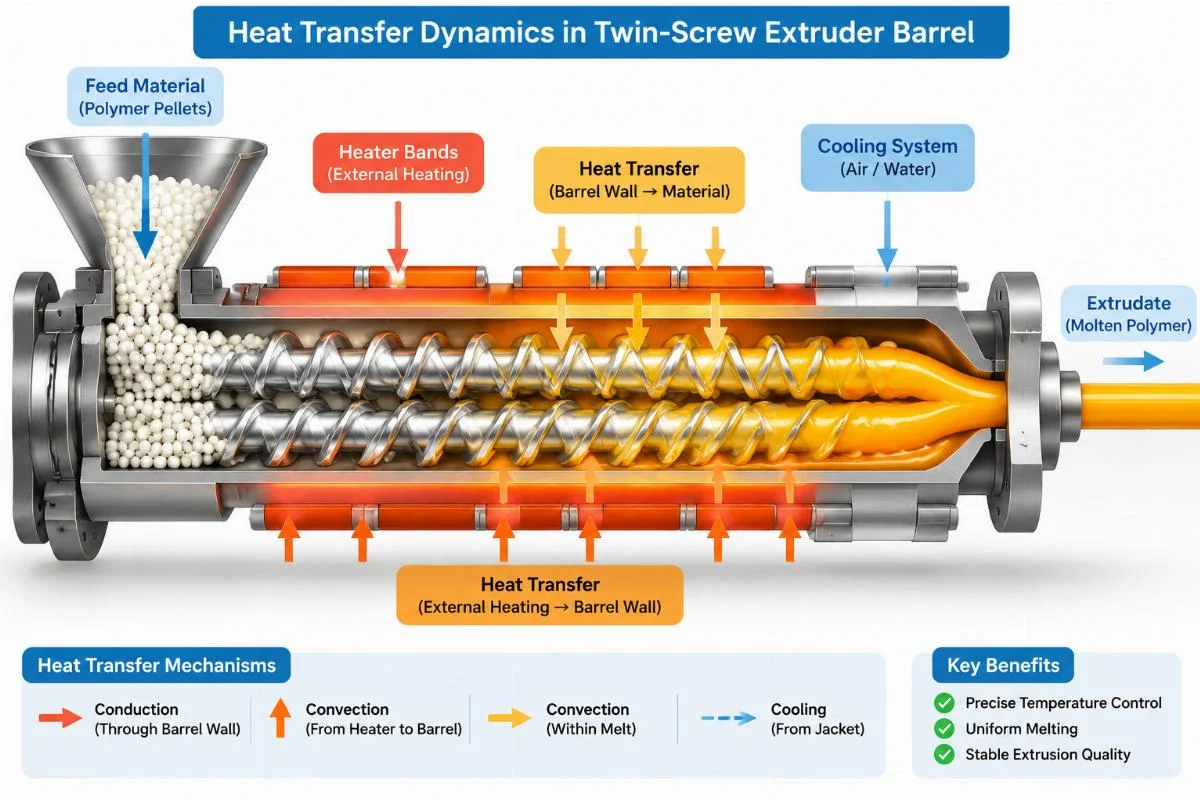
The core argument here is counter-intuitive: most operators think extruder mechanics are the bottleneck, but shop floor thermal dynamics actually dictate pellet forming success. The twin-screw extruder generates immense frictional heat, and if the surrounding environment or the cooling water supply cannot absorb and dissipate this heat, the barrel temperature profiling will fail.
When we arrive at a new site, the very first step is to evaluate the cooling water flow rate requirements against the extruder’s heat load. If the water entering the cooling jacket is already warm due to an undersized cooling tower or high ambient shop floor temperatures, the barrel zones will run away.
- Verify Cooling Tower Capacity: We measure the actual water temperature returning from the tower under peak load conditions, comparing it against the chiller specifications.
- Check Water Pressure and Flow: Insufficient flow rate means the water boils inside the jacket before it can extract the heat, leading to localized hot spots.
- Assess Ambient Airflow: The ventilation in the extrusion hall must be sufficient to carry away the radiant heat from the barrel heaters and the motor.
During a previous project in a high-ambient-temperature region, we found that the client had installed a standard cooling tower meant for a much smaller machine. By identifying this mismatch before the 3D snack pellet line installation began, we avoided a situation where the pellets would have emerged as unshaped mush.
How to Assess Shop Floor Thermal Dynamics?
Calculate ambient heat impact on barrel temperatures to size cooling towers correctly and ensure stable melt viscosity.
Assessing the thermal environment requires more than just looking at a thermometer. It involves calculating the total heat rejection required by the entire 3D snack pellet line installation, including the extruder, the pre-conditioner, and the subsequent drying systems.
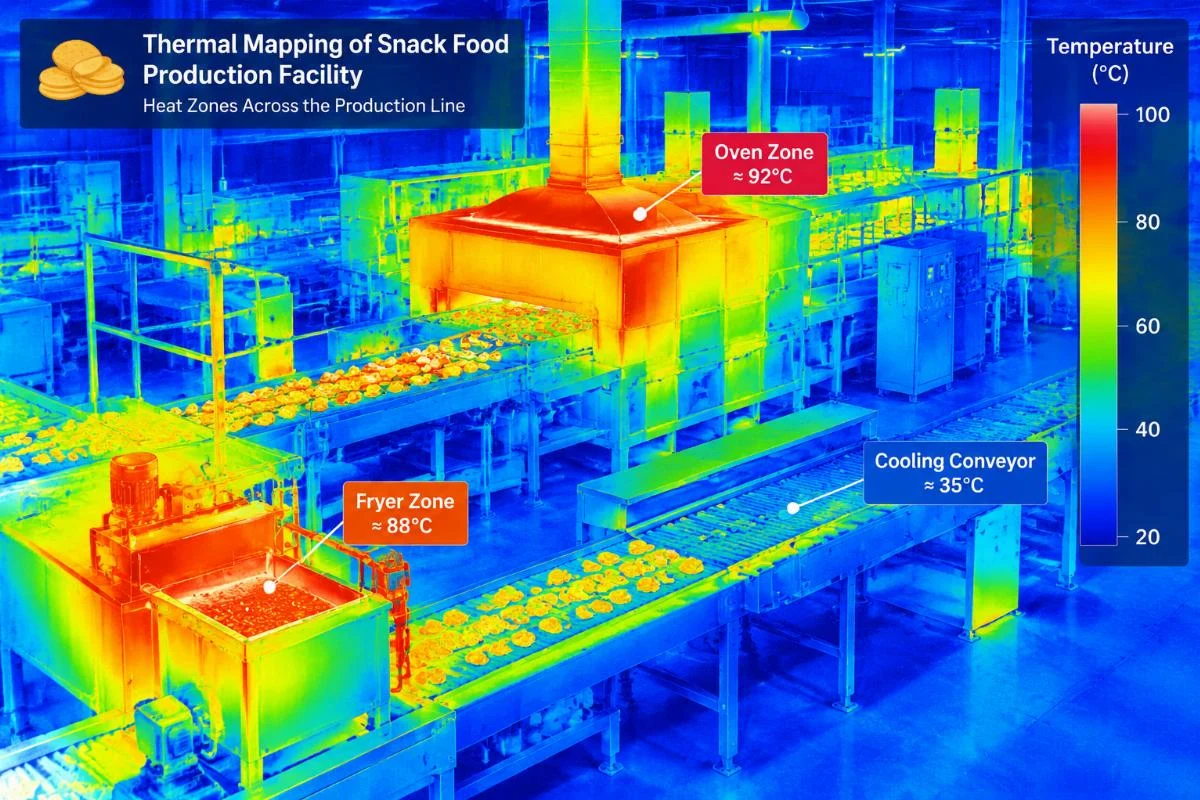
- Map the Heat Sources: We identify every component that generates or requires cooling. The twin-screw extruder motor and the barrel heating bands are the primary sources, but the cooling tunnel for the pellets also rejects heat into the room.
- Evaluate Airflow Velocity and Residence Time: For the pellet cooling tunnel, we check if the airflow velocity and the residence time ratios are sufficient to drop the pellet core temperature before they reach the flavor coating drum. If the air is stagnant or too hot, the pellets will remain tacky.
- Simulate Peak Load Conditions: We do not just check the utilities at idle; we calculate the thermal dynamics assuming the extruder is running at maximum throughput.
A common issue we encounter is the conveyor belt sticking. This is rarely a belt material fault; it is almost always a pellet cooling tunnel airflow issue. If the pellets do not cool sufficiently, their surface remains sticky, and they clump together, tearing the belt or jamming the discharge. By rigorously assessing these thermal dynamics first, we ensure the physical setup has a stable foundation.
What Are the Step-by-Step Mechanical Installation Procedures?
Follow a strict sequence from utility verification to twin-screw alignment and belt tracking to ensure mechanical integrity.
Once the thermal and utility environments are validated, the physical 3D snack pellet line installation proceeds in a highly structured sequence. Skipping steps here leads to vibration, misalignment, and premature wear of the screw elements.
- Utility Connection Verification: Before moving the heavy machinery, we verify the on-site water pressure and power voltage. Voltage tolerances must be strictly adhered to; a drop in voltage during startup can stall the main motor and damage the drive system.
- Leveling and Anchoring: The extruder and the downstream equipment are positioned on anti-vibration mounts. We use precision laser levels to ensure the entire line is perfectly horizontal. Any slope will cause uneven wear on the screws and the barrel.
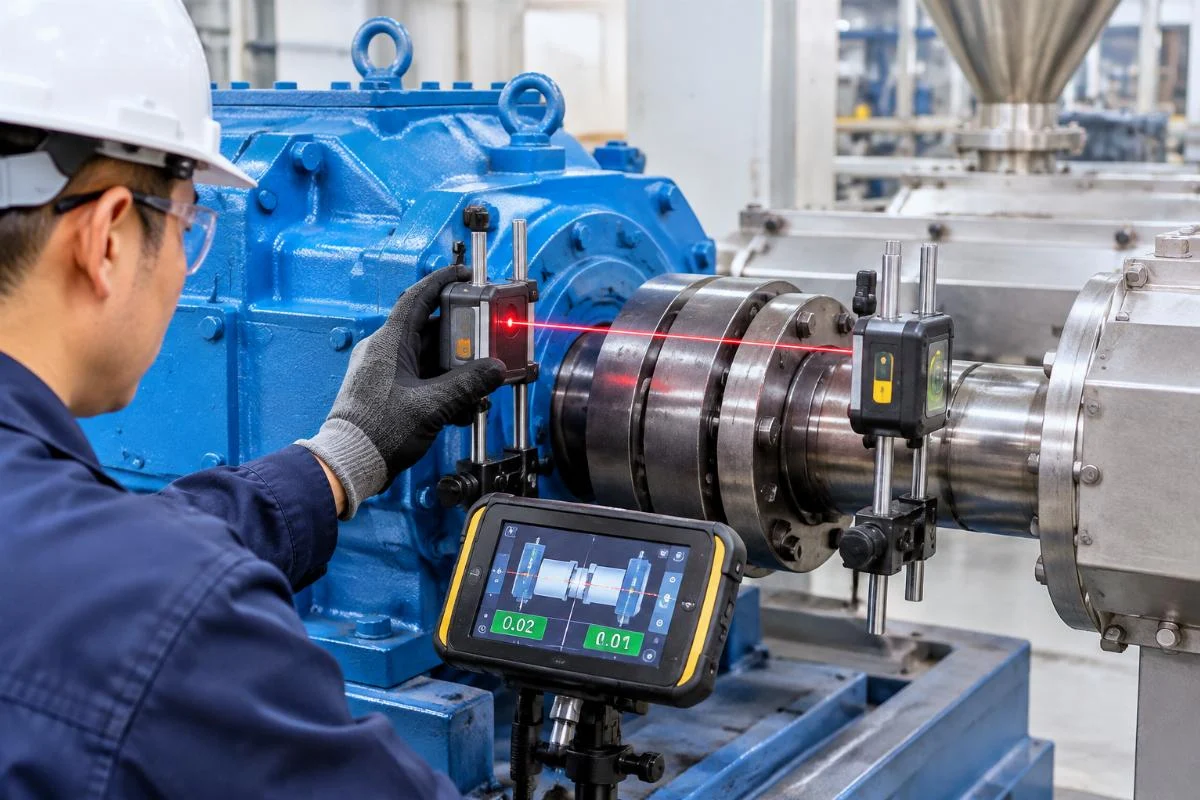
- Twin-Screw Alignment: The gearbox output shaft and the extruder barrel flange must be perfectly aligned. We use dial indicators to measure the runout, ensuring it is within the micron-level precision required for high-torque applications.
- Screw Element Assembly: The screw elements are slid into the barrel carefully. We apply the specified food-grade lubricant on the shaft splines to prevent galling during thermal expansion.
- Belt Tracking and Tensioning: For the conveyor belts and the cutting mechanism, we align the pulleys and adjust the tension. Proper tracking prevents the belt from drifting and ensures the 3D pellets are cut cleanly without dragging.
During a 3D snack pellet line installation in a facility with unstable power, we detected a severe voltage drop during the dry run. By pausing the mechanical setup and installing a step-up transformer, we prevented a catastrophic motor burnout that would have delayed the project by months.
How to Commission and Train Operators for 3D Pellets?
Run dry tests, calibrate temperature zones, and train staff on thermal monitoring to guarantee long-term stability.
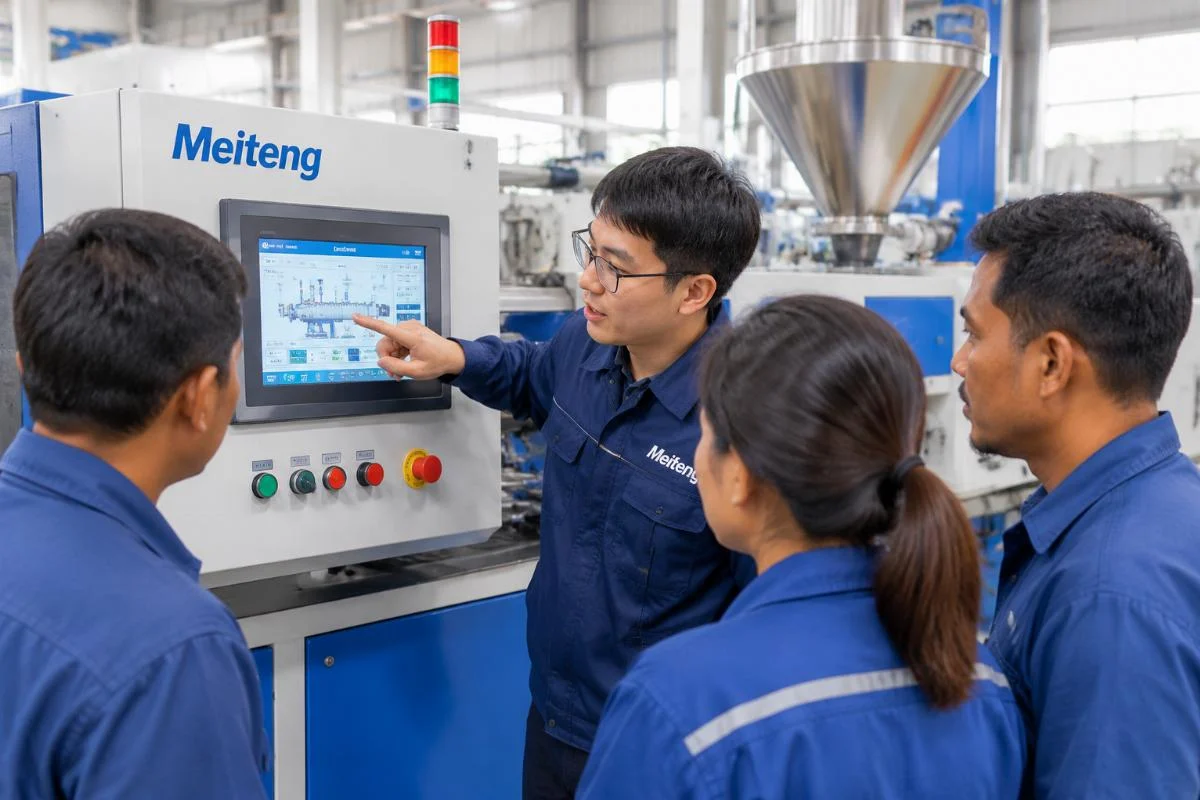
The final phase of the 3D snack pellet line installation is commissioning and operator training. This is where the theoretical thermal dynamics meet the reality of raw material variability. Meiteng’s turnkey installation service includes comprehensive on-site operator training, ensuring your team understands not just how to push buttons, but how to read the thermal signals of the machine.
- Dry Run and Motor Rotation Check: We run the extruder empty to verify the rotation direction and listen for any abnormal noises from the gearbox or the barrel.
- Temperature Zone Calibration: We heat the barrel to the target profile and let it soak. We then verify the actual temperature against the thermocouple readings, adjusting the PID parameters if necessary to eliminate overshoot.
- Wet Run and Pellet Forming: We introduce the raw material at a low feed rate and gradually increase it. We monitor the melt pressure and the motor amperage closely. The goal is to achieve the correct specific mechanical energy input to form the 3D shapes without degrading the material.
- Thermal Monitoring Training: We train the operators to watch the cooling water temperature gauges and the barrel zone temperatures. If the ambient temperature rises during the day, they must know how to adjust the cooling water flow to compensate.
By focusing on this proactive thermal assessment approach during training, we empower plant managers to avoid the thermal-related production halts that plague poorly commissioned lines.
Conclusion
Thermal validation dictates mechanical success. A rigorous 3D snack pellet line installation always begins with assessing the shop floor’s ability to reject heat, ensuring the cooling infrastructure can handle the extruder’s thermal load before any mechanical assembly occurs. By prioritizing thermal dynamics and following a strict, utility-verified mechanical sequence, operators can achieve stable pellet forming and avoid costly production halts.
Equipment Mentioned in This Article
 3D papad machine
3D Snack Pellet Production Line Fried Extruder Machine
3D Snack Pellet Production Line for Starch-Based Snacks — twin-screw extrusion processes potato, cassava, and corn starch into diverse shapes.… View Machine Details 3D papad machine
Automatic 3D Pellet Extruded Corn Puffed Snack Food Production Line
3D Pellet Extruded Snack Food Production Line for Starch Pellets — processes potato, corn, and cassava starch into papad and… View Machine Details 3D papad machine
2D 3D Snack Pellet Production Line Manufacturer
2D 3D Snack Pellet Production Line for Diverse Shapes from Starches — twin-screw extrusion handles wheat, corn, and cassava. The… View Machine Details 3D papad machine
Fully Automatic 3D Snack Pellets Extruder Making Machine for Chips
Chips 3D Snack Pellet Extruder Line for 2D/3D Shapes — co-rotating twin-screw extrusion processes potato and cassava starches into papad,… View Machine DetailsRelated Applications

Engineering Perspective
An In-House R&D Team Behind Every Line
Jinan MT Machinery develops its process technology in-house. The team concentrates on the four areas that decide pellet shape, expansion and line stability.
- Expansion technology
- Twin-screw extrusion
- Die design
- PLC/MCC automation
Related Articles
 Nov 17, 2026 · Installation & Maintenance
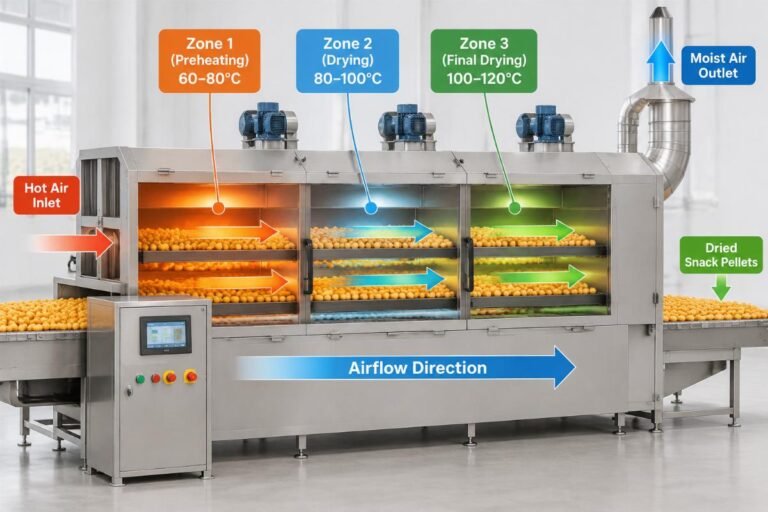
Fix Snack Pellet Cracking in Drying: Twin-Screw Extruder Manufacturer
Snack pellets cracking during drying is rarely an extrusion fault but a thermal bottleneck caused by rapid surface moisture evaporation. Implementing a multi-zone gradual… Read This Article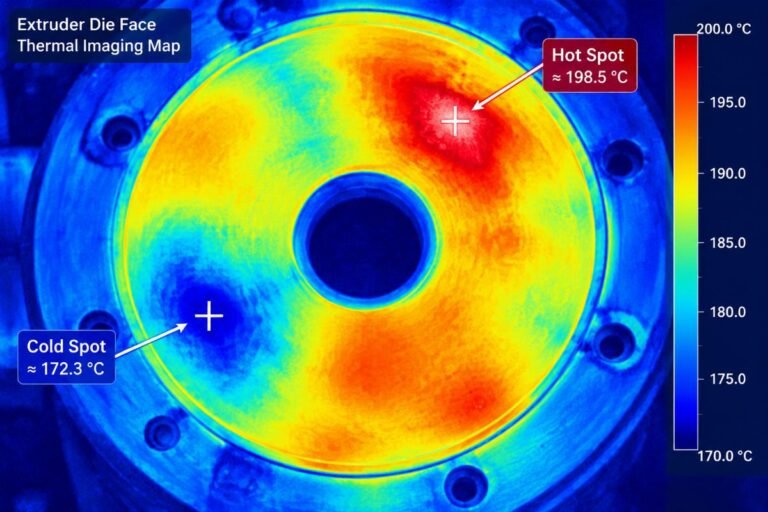 Nov 17, 2026 · Installation & Maintenance
Fried Pellet Chips Extruder Manufacturer: Fix Uneven Expansion
Troubleshooting uneven expansion fried pellet chips requires addressing mechanical installation deviations and thermal inconsistencies instead of adjusting recipes. Verify die temperature sensor alignment, inspect… Read This Article Nov 17, 2026 · Installation & Maintenance
Snack Pellet Dryer Maintenance: Belts, Fans & Heating Elements Manufacturer
Effective snack pellet dryer maintenance prevents hidden moisture pockets and localized scorching by addressing belt tension, fan airflow, and heating element decay. Master precise… Read This ArticleFree Process Check
Send Your Recipe for a Process Check
Jinan MT Machinery engineers review your recipe and return a free process plan within 24 hours. Tell us the product, output, raw material, local voltage and heat source.
Send Your Recipe on WhatsApp