
Snack Pellet Extruder & Dies Cleaning Guide | Meiteng Manufacturer
- By Jinan MT Machinery
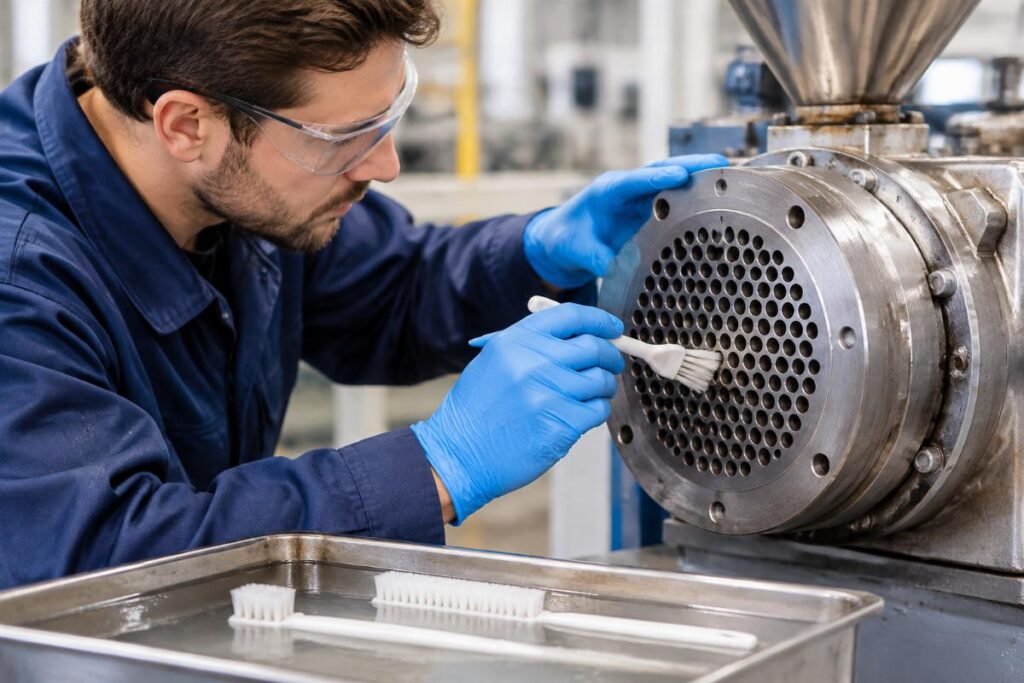
Using abrasive force to remove stuck dough actually deforms precision holes, causing uneven puffing and massive product waste.
The proper snack pellet extruder cleaning routine relies entirely on controlled soaking and soft tools, never wire brushes, to maintain hole precision and ensure consistent expansion quality.
During my early days inspecting machinery in Jinan before transitioning to overseas technical support, I spent extended periods stationed across Indonesia and Thailand. I witnessed numerous production lines halt completely because operators relied on wire brushes to clean the dies. I distinctly remember a corn puff line in Jakarta where hard scraping completely ruined the die holes. The resulting uneven puffing led to massive material waste and extended downtime. When establishing a reliable snack pellet extruder cleaning routine, the focus must shift from physical force to thermal softening and gentle extraction.
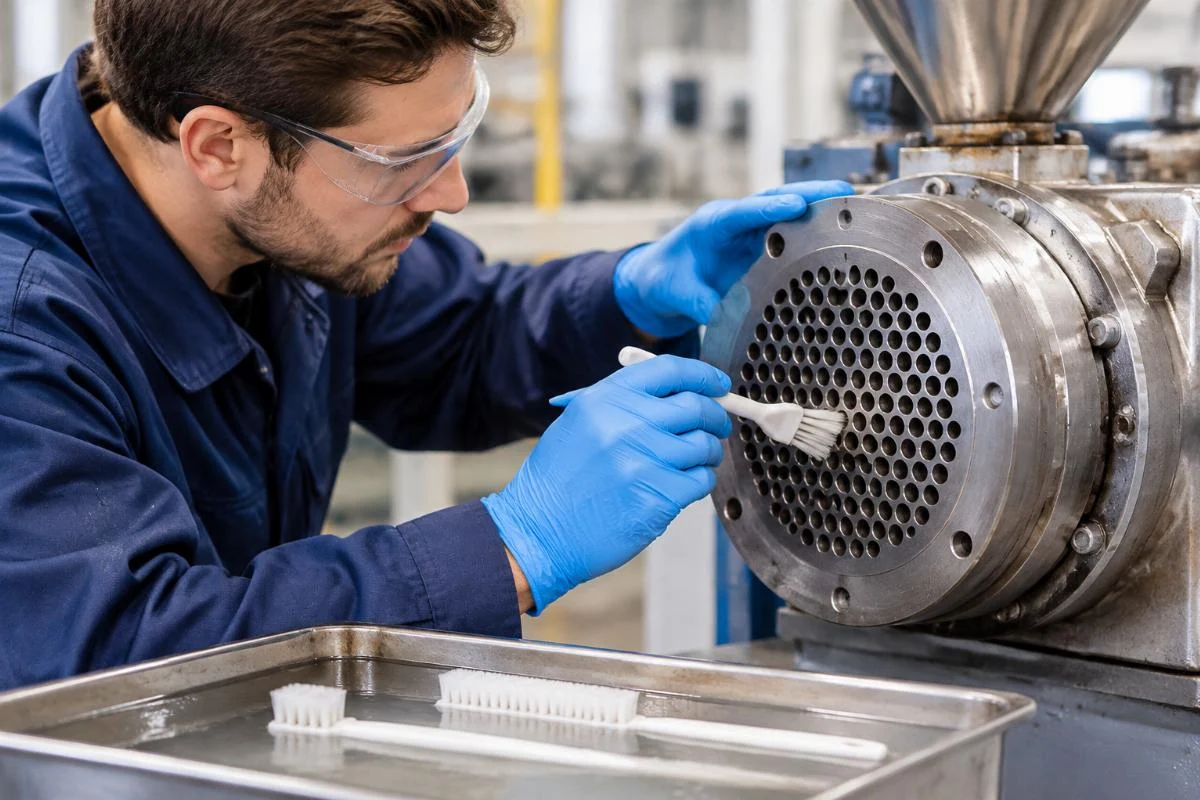
Let me walk you through the correct methodology to maintain your dies and protect your production efficiency.
Why do traditional wire brushes ruin extruder dies?
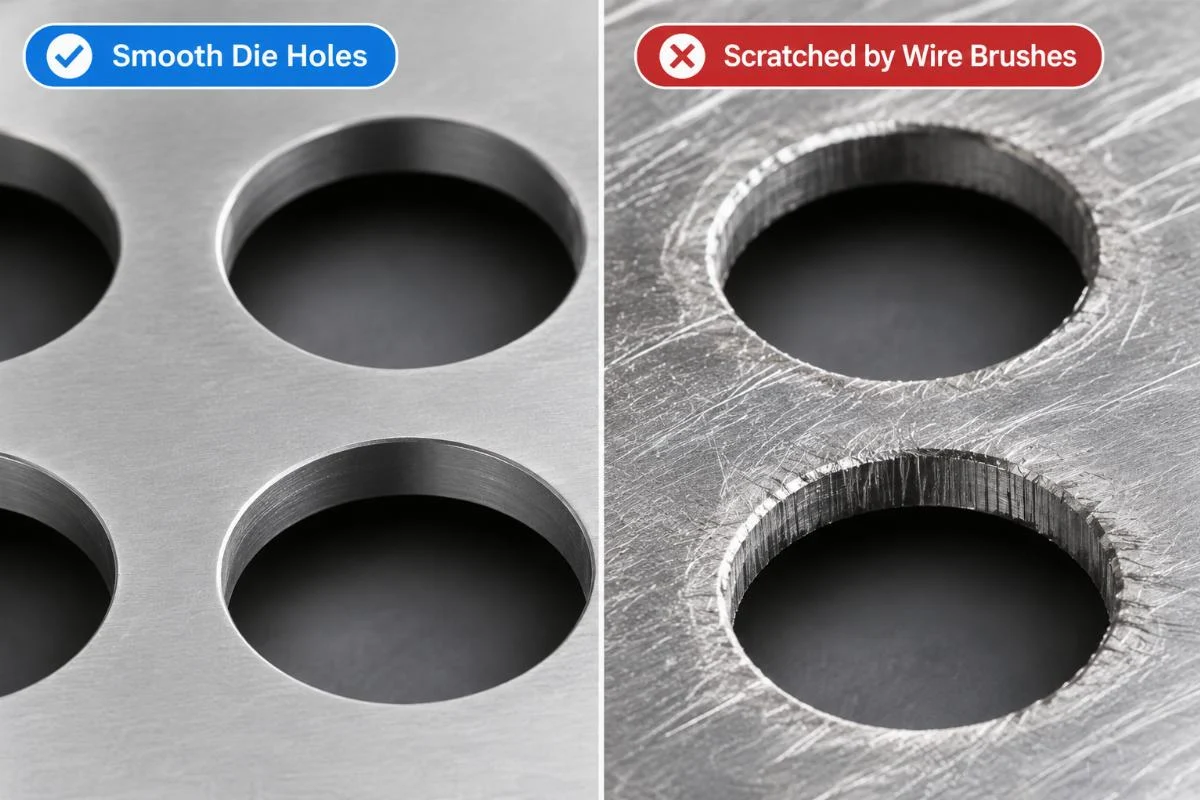
Hard scraping physically alters the microscopic geometry of the die holes, destroying the precise tolerances required for uniform expansion.
When dough residue hardens inside the channels, the immediate instinct for many operators is to use metal wire brushes to scrub it away. This approach is fundamentally flawed. The metal bristles act as an abrasive tool that scratches and widens the holes. Once the hole geometry is compromised, the pressure distribution during the extrusion process becomes uneven. Some pellets will over-expand and burn, while others remain dense and undercooked.
In a snack pellet extruder cleaning routine, relying on metal tools accelerates die wear exponentially. The scratches created by wire brushes also provide microscopic anchor points for future dough buildup, making subsequent cleanings even more difficult. Over time, the die loses its original surface finish. This increased friction generates excess heat during operation, which can degrade the nutritional profile and texture of the final snack product. Replacing a damaged die involves significant procurement costs and halts production for days. Therefore, eliminating abrasive tools from your daily maintenance protocol is the first critical step in preserving equipment longevity and product consistency.
What is the correct soaking process for stubborn dough?
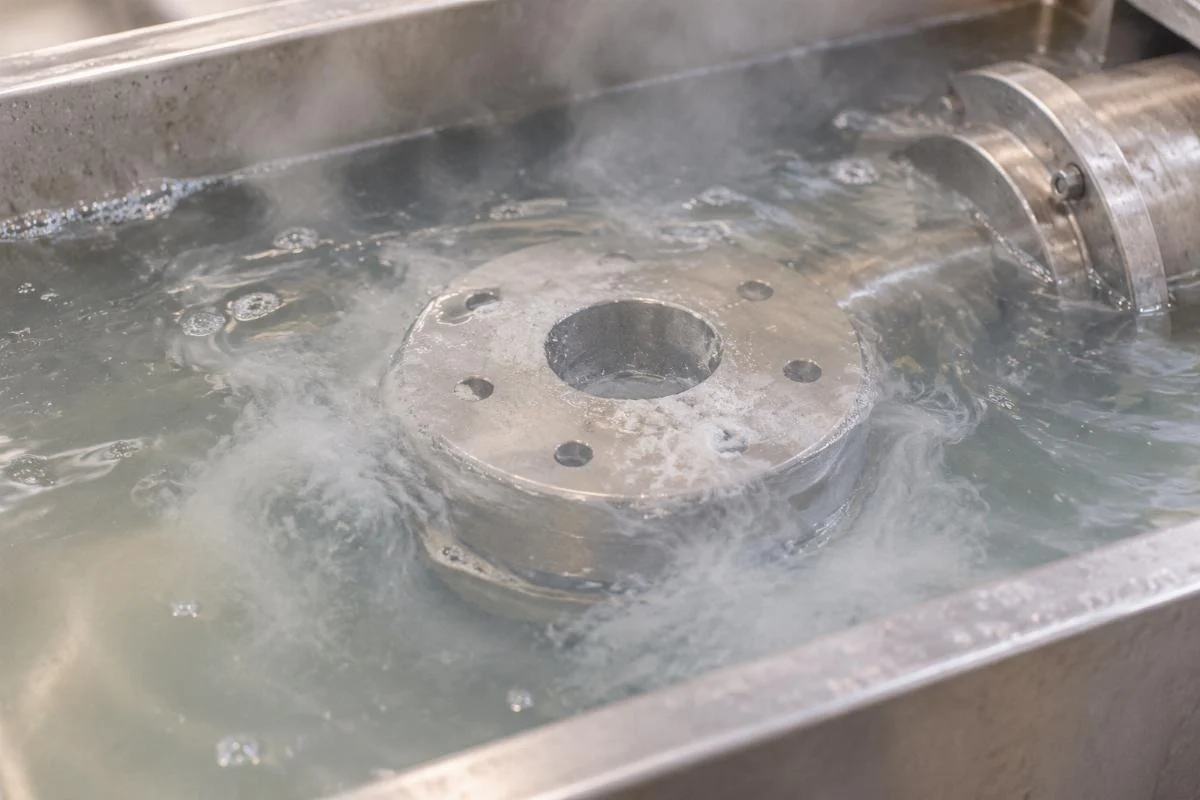
Controlled warm water soaking effectively softens stubborn residue without causing thermal shock to the metal components.
The foundation of an effective snack pellet extruder cleaning routine is the soaking phase. Immediately after shutting down the machine, the die must be removed while it is still warm, but not scorching hot. Allowing the die to cool slightly prevents thermal shock, which can cause micro-fractures in the metal, but delaying the soaking process allows the dough to cure into a concrete-like state.
Place the die into a dedicated soaking tank filled with warm water. The temperature of the water is critical; it must be hot enough to break down the starch bonds but not boiling, as extreme temperature differentials can warp the die plate. Submerge the die completely and let it sit. The warm water penetrates the hardened dough, swelling the starch molecules and loosening their grip on the channel walls.
Depending on the severity of the buildup, this soaking phase requires patience. Rushing this step by attempting to scrape the die before the residue is fully saturated will inevitably lead to the damage mentioned previously. The water should become cloudy as the dough releases. For heavily carbonized residues, a specialized food-grade enzymatic cleaner can be added to the warm water bath to accelerate the breakdown process without harming the metal surface.
Which tools safely clean die holes without scratching?
Nylon brushes and wooden picks preserve the original hole tolerances by removing softened residue without scratching the metal.
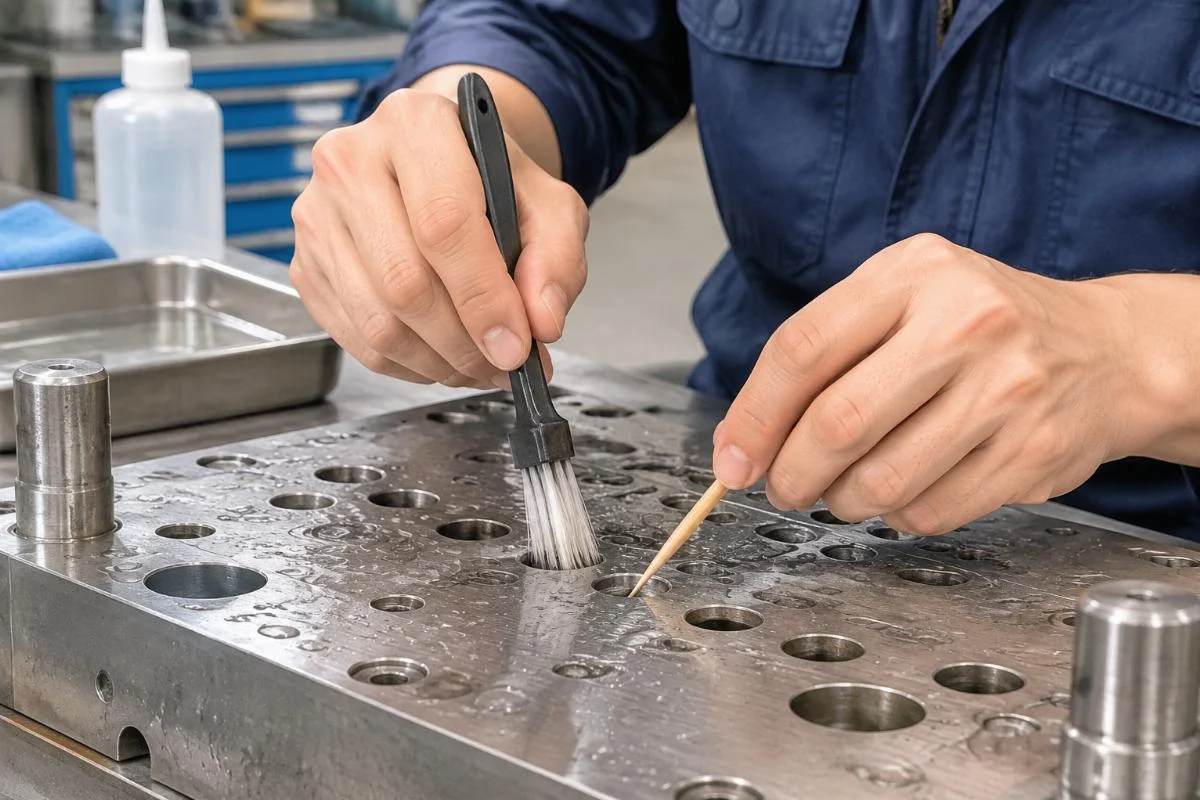
Once the soaking phase is complete, the residue should be soft enough to be removed effortlessly. This is where tool selection becomes paramount in your snack pellet extruder cleaning routine. Metal picks and wire brushes must be permanently banned from the maintenance cart. Instead, utilize nylon bristle brushes and smooth wooden or food-grade plastic picks.
Nylon brushes possess sufficient stiffness to dislodge softened dough but remain flexible enough to yield when encountering the metal walls of the die holes. This ensures that the original diameter and surface roughness of the holes are perfectly maintained. Wooden picks are ideal for targeting specific, heavily blocked holes without risking any metallic contact.
Implementing this tool transition requires operator retraining. Many veteran operators cling to wire brushes out of habit. When we supply turnkey production lines, we include matched maintenance toolkits specifically designed for these soft-cleaning methods. Furthermore, our on-site installation and operator training programs heavily emphasize this specific protocol. We demonstrate how switching from metal to nylon tools extends die lifespan meaningfully and ensures consistent puffing quality. By providing the correct tools and the knowledge to use them, we ensure that the maintenance team understands that cleaning is about chemical and thermal softening, not mechanical force.
How should dies be dried and stored post-cleaning?
Complete moisture removal is mandatory to prevent rust formation and microbial growth during storage.
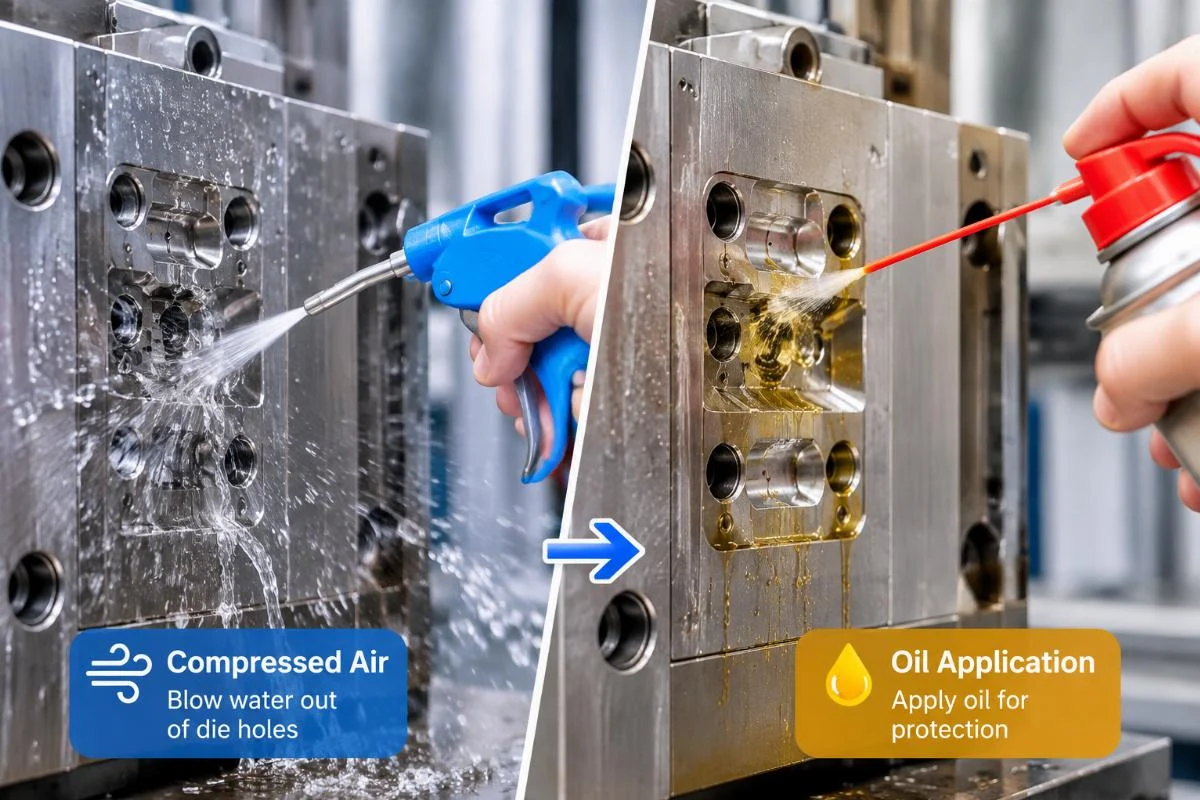
The final stage of the snack pellet extruder cleaning routine is often neglected, yet it is crucial for long-term die preservation. After all residue has been gently extracted using soft tools, the die must be rinsed with clean water to remove any remaining loosened particles. However, a wet die cannot be stored. Moisture trapped inside the microscopic channels will rapidly oxidize the metal, leading to rust. Rust not only contaminates the next batch of food product but also alters the flow dynamics of the die, causing uneven extrusion.
Use*. Ensure the air pressure is regulated to avoid damaging the holes while being strong enough to evacuate all water droplets. Follow the air-blowing process with a thorough wipe-down using clean, lint-free cloths.
For long-term storage, the die should be lightly coated with a food-grade mineral oil. This creates a protective barrier against ambient humidity. Store the dies in a dedicated, climate-controlled cabinet, ideally in their original protective cases or on designated racks that prevent them from touching each other. Proper drying and storage ensure that when the die is next mounted, it is in pristine condition, ready to deliver the exact same high-quality puffing performance as the day it was installed.
Conclusion
Maintaining die precision requires abandoning abrasive force in favor of thermal softening and gentle extraction.
A disciplined snack pellet extruder cleaning routine protects your investment by ensuring uniform expansion and extending equipment life. By mastering the soaking process, utilizing non-abrasive tools, and enforcing strict drying protocols, manufacturers can eliminate unnecessary downtime and maintain consistent product quality across every production run.
Equipment Mentioned in This Article
 3D papad machine
3D Snack Pellet Production Line Fried Extruder Machine
3D Snack Pellet Production Line for Starch-Based Snacks — twin-screw extrusion processes potato, cassava, and corn starch into diverse shapes.… View Machine Details 3D papad machine
Fully Automatic 3D Snack Pellets Extruder Making Machine for Chips
Chips 3D Snack Pellet Extruder Line for 2D/3D Shapes — co-rotating twin-screw extrusion processes potato and cassava starches into papad,… View Machine Details 3D papad machine
2D 3D Snack Pellet Production Line Manufacturer
2D 3D Snack Pellet Production Line for Diverse Shapes from Starches — twin-screw extrusion handles wheat, corn, and cassava. The… View Machine Details 3D papad machine
Automatic 3D Pellet Extruded Corn Puffed Snack Food Production Line
3D Pellet Extruded Snack Food Production Line for Starch Pellets — processes potato, corn, and cassava starch into papad and… View Machine DetailsRelated Applications

Engineering Perspective
An In-House R&D Team Behind Every Line
Jinan MT Machinery develops its process technology in-house. The team concentrates on the four areas that decide pellet shape, expansion and line stability.
- Expansion technology
- Twin-screw extrusion
- Die design
- PLC/MCC automation
Related Articles
 Nov 17, 2026 · Installation & Maintenance
Fix Snack Pellet Cracking in Drying: Twin-Screw Extruder Manufacturer
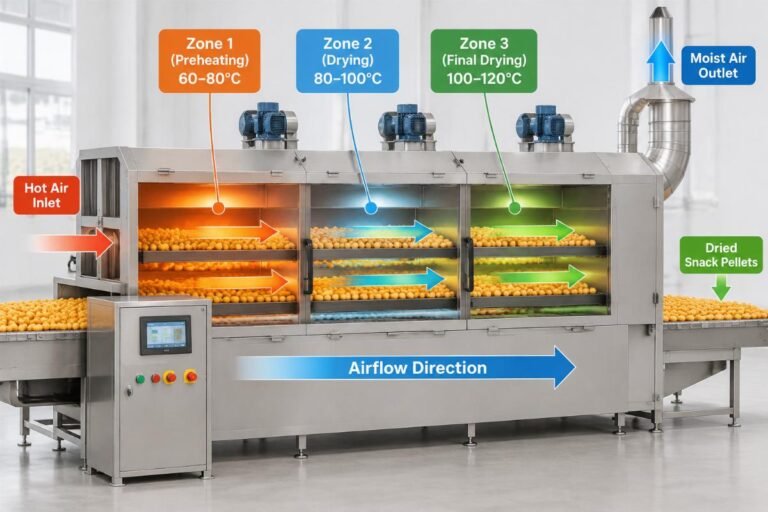
Snack pellets cracking during drying is rarely an extrusion fault but a thermal bottleneck caused by rapid surface moisture evaporation. Implementing a multi-zone gradual… Read This Article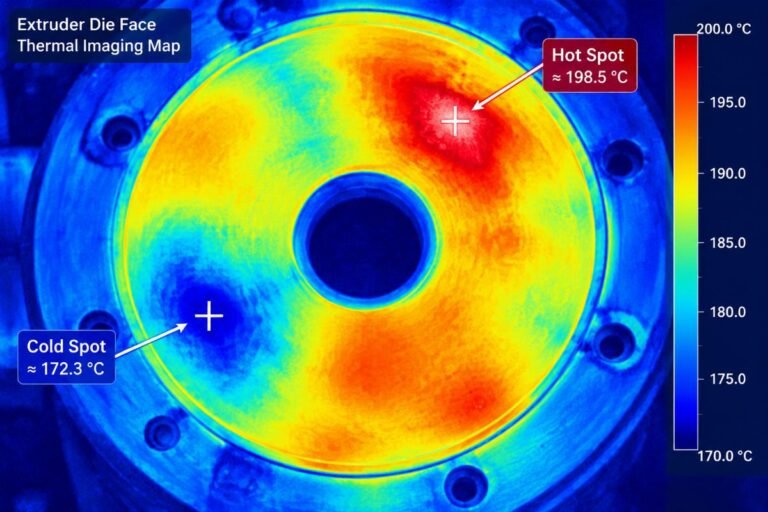 Nov 17, 2026 · Installation & Maintenance
Fried Pellet Chips Extruder Manufacturer: Fix Uneven Expansion
Troubleshooting uneven expansion fried pellet chips requires addressing mechanical installation deviations and thermal inconsistencies instead of adjusting recipes. Verify die temperature sensor alignment, inspect… Read This Article Nov 17, 2026 · Installation & Maintenance
Snack Pellet Dryer Maintenance: Belts, Fans & Heating Elements Manufacturer
Effective snack pellet dryer maintenance prevents hidden moisture pockets and localized scorching by addressing belt tension, fan airflow, and heating element decay. Master precise… Read This ArticleFree Process Check
Send Your Recipe for a Process Check
Jinan MT Machinery engineers review your recipe and return a free process plan within 24 hours. Tell us the product, output, raw material, local voltage and heat source.
Send Your Recipe on WhatsApp